Mariama Hamani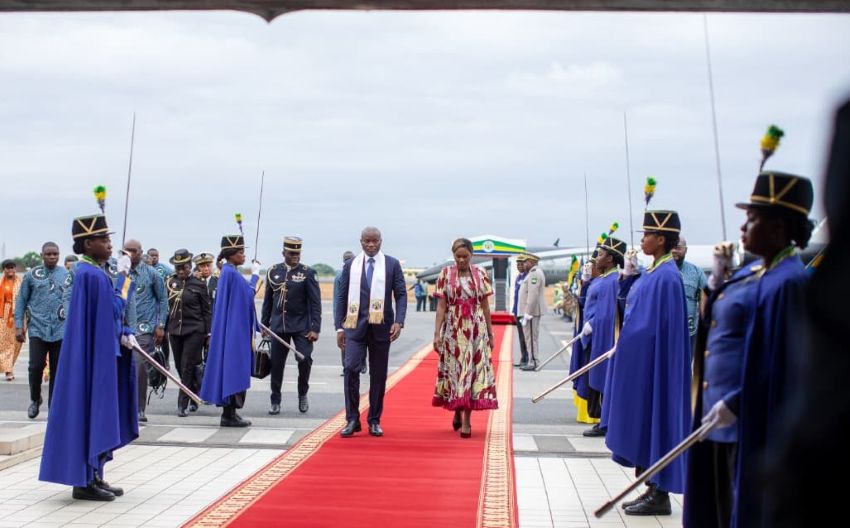
Gabon’s new diplomacy: turning african partnerships into economic growth
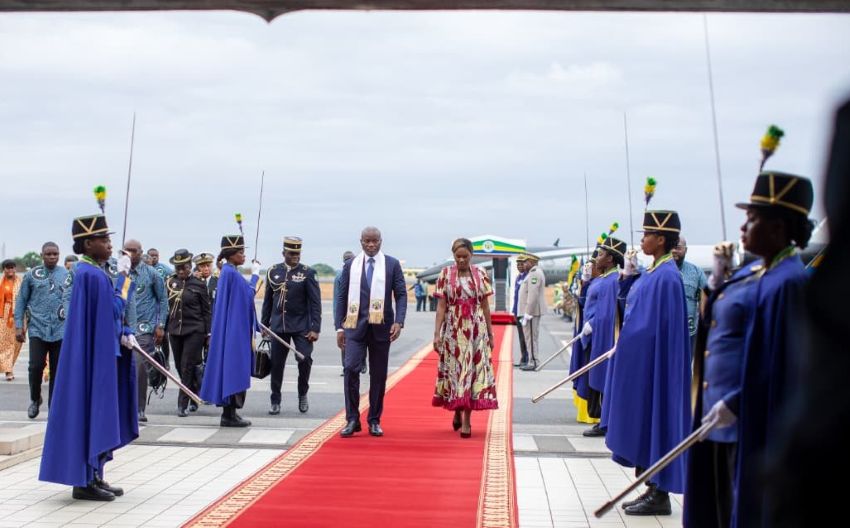
Libreville, August 8, 2026 — The African tour conducted by President Brice Clotaire Oligui Nguema from July 27 to August 7 marked a turning point in Gabon’s diplomatic strategy. Upon his return to Libreville, the focus shifts from diplomatic formalities to tangible outcomes.
While handshakes and agreements made headlines, the true test lies ahead: transforming these commitments into concrete investments, infrastructure projects, job creation, and economic opportunities for Gabon. The success of this mission will be measured not by the number of meetings held, but by the real-world impact on the nation’s development.
From words to action: a new diplomatic vision
The tour was far from a mere ceremonial exercise. It combined high-level political exchanges with targeted discussions on critical sectors: infrastructure, energy, agriculture, workforce training, trade, and investment. This approach signals a fundamental shift in Gabon’s foreign policy—one where diplomacy actively drives economic transformation rather than remaining a symbolic gesture.
The visit to Côte d’Ivoire exemplifies this strategy. In Abidjan, President Oligui Nguema toured industrial zones and key infrastructure projects, engaging with economic actors like the NSIA Group and Aurion Capital. These interactions placed investment and energy at the forefront, demonstrating how diplomacy can directly support Gabon’s economic diversification goals.
This vision aligns with Gabon’s ambitions to reduce reliance on raw material exports and enhance its global competitiveness. By positioning diplomacy as a tool for economic growth, Libreville aims to attract capital, technology, and expertise to fuel domestic progress.
Strengthening African partnerships through economic interdependence
The tour also underscored Gabon’s commitment to deeper continental integration. Rather than viewing Africa as a bloc of isolated nations, Libreville advocates for economic interdependence—where cooperation fosters mutual benefits through shared infrastructure, industrial collaboration, and knowledge transfer.
Côte d’Ivoire served as a case study in this approach. By observing Abidjan’s urban development, industrial expansion, and private-sector mobilization, Gabon’s president sought actionable insights to replicate in his own country. The emphasis was on learning from proven models rather than pursuing abstract partnerships.
This pragmatic approach redefines Gabon’s relationships with African peers. Cooperation is no longer limited to diplomatic pleasantries; it has become a platform for shared learning, co-financing, industrial partnership, and skills development. The same logic applies to agreements made in other capitals during the tour—whether in energy, agriculture, or workforce training. However, these initiatives will only bear fruit if they progress beyond political declarations to actual implementation.
The moment of truth: delivering on promises
The president’s return to Libreville marks the beginning of a critical evaluation phase. A results-driven diplomacy must be judged not by the elegance of its announcements, but by measurable outcomes: how many investments materialize, how many jobs are created, which projects break ground, what technological transfers occur, and which new markets open for Gabonese businesses.
This is where the real challenge begins. While the tour successfully reinforced Gabon’s diplomatic positioning and broadened cooperation prospects, its ultimate success hinges on translating these gains into tangible benefits for citizens. Foreign policy, no matter how sophisticated, must serve a higher purpose: improving lives through economic development.
The white sash bearing Gabon’s national emblem, worn during the tour, symbolizes the fusion of national pride with continental engagement. Yet symbols alone cannot drive progress. The next phase will determine whether Gabon’s new diplomatic approach can evolve from a promising strategy into an engine of economic transformation.
Future assessments of the president’s leadership may focus less on the distance traveled and more on the projects realized. Libreville now has a diplomatic window to attract investors, negotiate deals, and adapt successful African models. The question remains: can Gabon’s foreign engagements become a catalyst for national prosperity?
The challenge is clear. The time has come to redefine diplomacy—not as a showcase for Gabon, but as a powerful driver of its development.

 Boureima Amadou