Boureima Amadou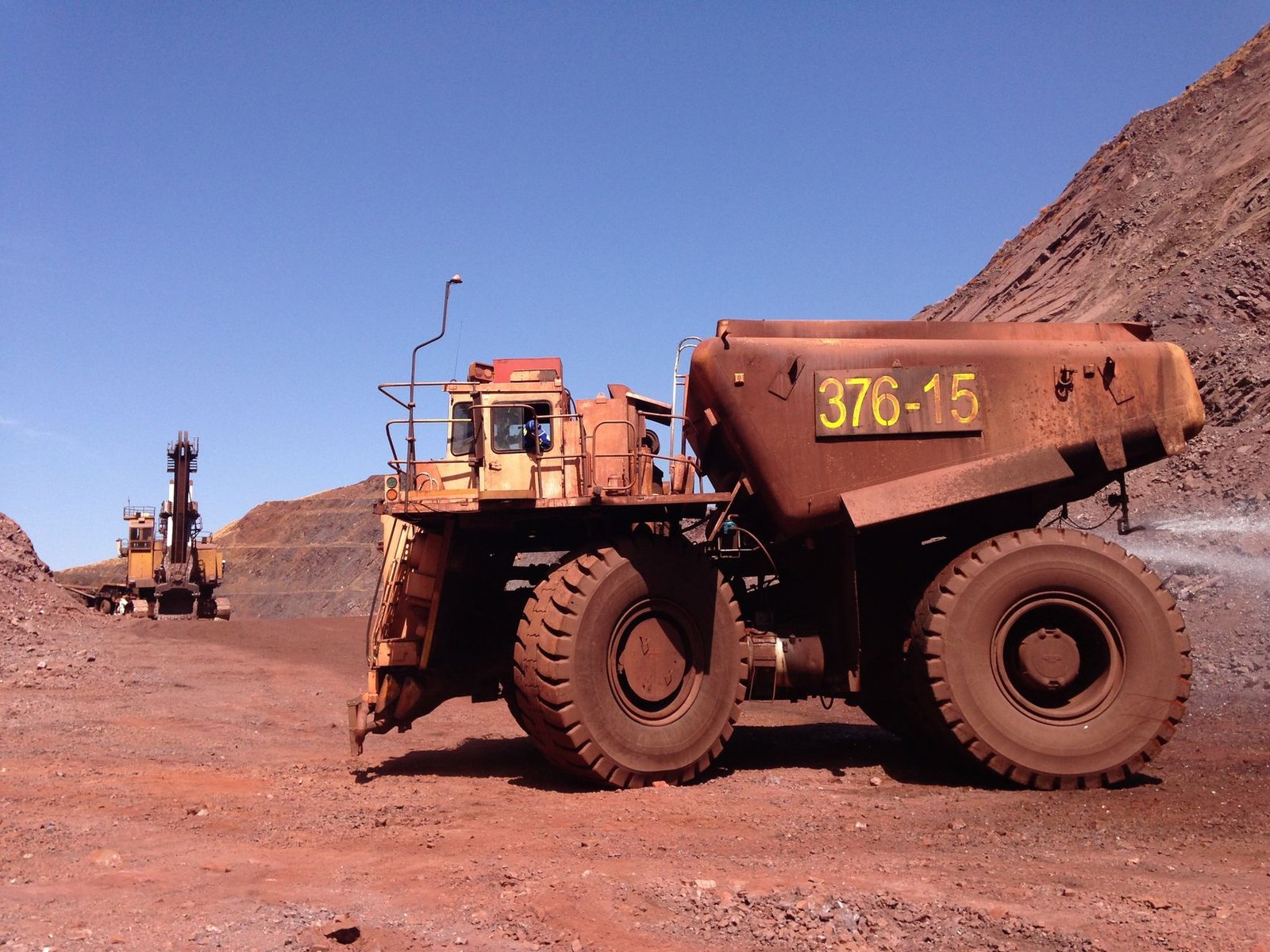
Gabon’s extractive industries experienced a mixed start to 2026. Overall sector activity saw a 2.9% contraction, primarily driven by a downturn in hydrocarbons. In contrast, the manganese segment continued its upward trajectory, demonstrating robust growth. This assessment, derived from the sectoral economic report by the Directorate General of Economy and Fiscal Policy (DGEPF), underscores Gabon’s ongoing structural reliance on its upstream petroleum performance.
Gabon’s extractive sector challenged by petroleum downturn
The significant decline in hydrocarbon output heavily impacts the entire extractive sector. Crude oil production in Libreville has been struggling for several quarters, a result of aging mature fields, extended maintenance periods for certain facilities, and an upstream investment pace that has proven insufficient to offset the natural depletion of deposits. The 2.9% contraction observed across the extractive sector in the first quarter of 2026 directly reflects this persistent erosion, particularly critical for a nation where crude oil remains the primary source of export revenue.
Gabonese authorities are closely monitoring these developments, as the national budget remains highly vulnerable to fluctuations in both production volumes and global oil prices. This underperformance in hydrocarbons occurs within a regional context where international major companies are reallocating capital towards basins perceived as more profitable or less mature. The Gabonese sedimentary basin, historically a cornerstone of the national economy, must now contend with increased competition for exploration and production capital.
Manganese: cushioning Gabon’s transitioning economy
Amidst the retreat of petroleum, the mining sector is serving as a crucial buffer. Manganese, for which Gabon stands as one of the world’s leading producers, recorded sustained growth throughout the analyzed period. This positive momentum extends a decade-long expansion for the mineral, fueled by robust demand from Asian steel industries and the gradual rise in requirements for batteries, particularly within new-generation cathodes.
The increasing contribution of manganese to the extractive sector’s value added signals a gradual rebalancing of Gabon’s mineral portfolio. Authorities are banking on this strategic mineral to diversify national revenues and initiate a policy of local transformation. Projects focusing on agglomeration and silicomanganese production are key to these efforts. Such initiatives aim to capture greater value within the supply chain, rather than merely exporting raw ore, aligning with a doctrine now embraced by several mining nations across Central and West Africa, reflecting broader African governance trends.
Diversification and productive sovereignty in focus
The economic snapshot provided by the DGEPF confirms a fundamental challenge for the transitional authorities. Gabon’s dual dependence – on hydrocarbons for budgetary income and on external markets for mineral outlets – necessitates a more assertive resilience strategy. The scaling up of the Société équatoriale des mines (SEM), which holds stakes in several key projects, exemplifies the national ambition to strengthen domestic control over critical segments.
Simultaneously, the question of upstream oil revival persists. Offshore tender rounds, modernization of the contractual framework, and fiscal incentives for exploration are all levers being examined to halt the downward trend. However, the often five-year-plus timelines between discovery and production compel public decision-makers to adopt a medium-term perspective for these vital African current affairs.
In practical terms, Gabon’s economic equation boils down to a strategic balancing act involving three horizons: supporting a rebound in hydrocarbons to safeguard immediate budgetary stability, consolidating the manganese sector to establish a stable mining revenue, and preparing for a post-oil future through local transformation and diversification. The first quarter 2026 economic conditions underscore that this delicate balancing exercise leaves little room for improvisation.