
 Mariama Hamani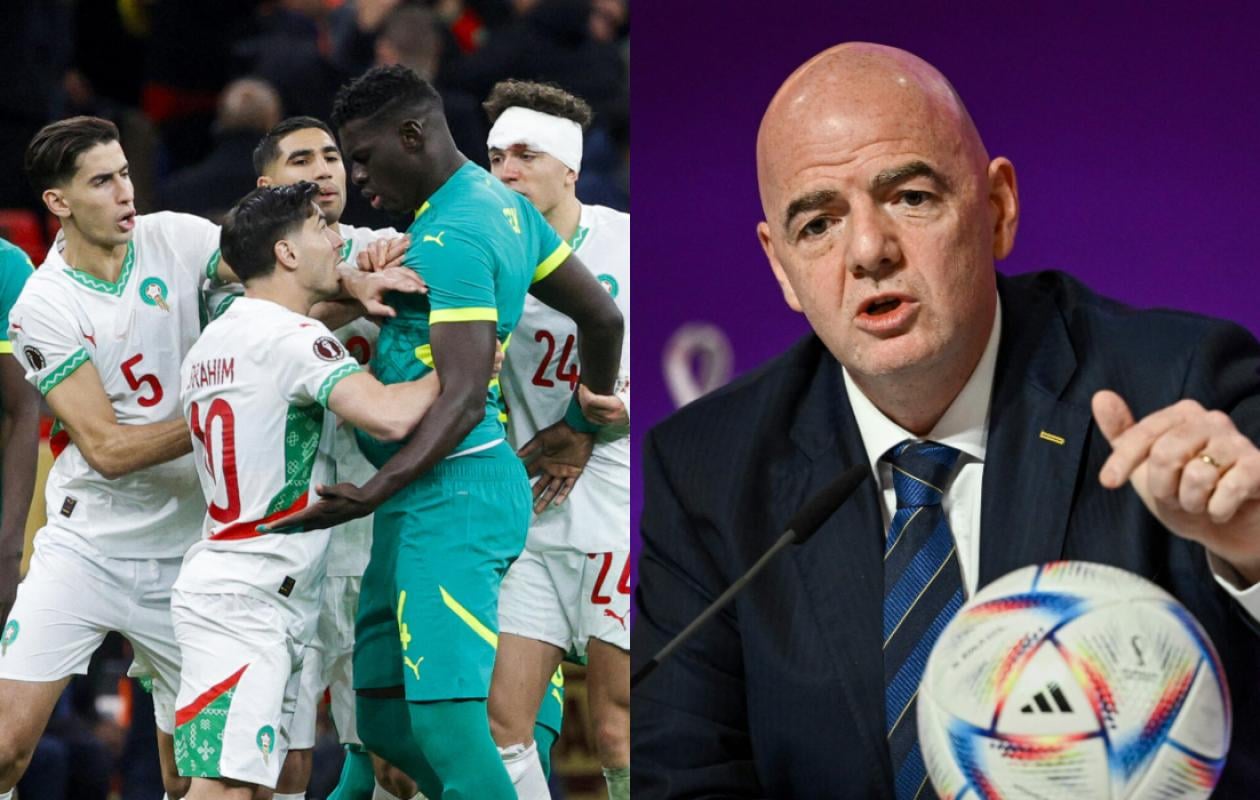

As the 2026 FIFA World Cup approaches, football’s international governing body is tightening its regulatory framework to prevent extreme on-field disputes and walkouts.
This strategic move is a direct response to the chaotic scenes witnessed during the CAN 2025 final. On January 18 in Rabat, the match between Sénégal and Maroc was marred by a temporary pitch walkout by the Senegalese squad, an event that sparked intense debate across the global football community.
New IFAB amendments for the 2026 World Cup
In light of these events, FIFA has collaborated with the International Football Association Board (IFAB) to adopt several key amendments. These updated FIFA rules 2026 World Cup will be strictly enforced during the tournament scheduled from June 11 to July 19 across the États-Unis, Canada, and Mexique.
One of the most significant changes involves the immediate punishment of players who leave the field of play voluntarily to protest an official’s decision. Such actions will now result in an automatic red card. Furthermore, coaching staff members who encourage or incite their players to abandon the pitch will face similar disciplinary measures.
According to the official communication, referees now have the authority to expel any player leaving the pitch in protest, at the discretion of the tournament organisers. This zero-tolerance policy extends to all team officials who support such disruptive behavior.
Stricter penalties for match interruptions
Another major update focuses on the definitive stoppage of a match. Any team found responsible for causing a game to be permanently halted will be penalised with an automatic loss by forfeit. This measure aims to eliminate intentional interruptions that compromise the integrity of the game.
The urgency for these changes stems from the CAN 2025 final, where the coach of Sénégal, Pape Thiaw, instructed his players to exit the pitch. This protest followed a penalty awarded to Maroc and a disallowed goal for the Lions, leading to a period of total confusion before play eventually resumed.
By implementing these rigorous standards, FIFA intends to uphold the highest levels of discipline and ensure that international competitions proceed without the threat of extreme tactical protests.


 Boureima Amadou





