Mariama Hamani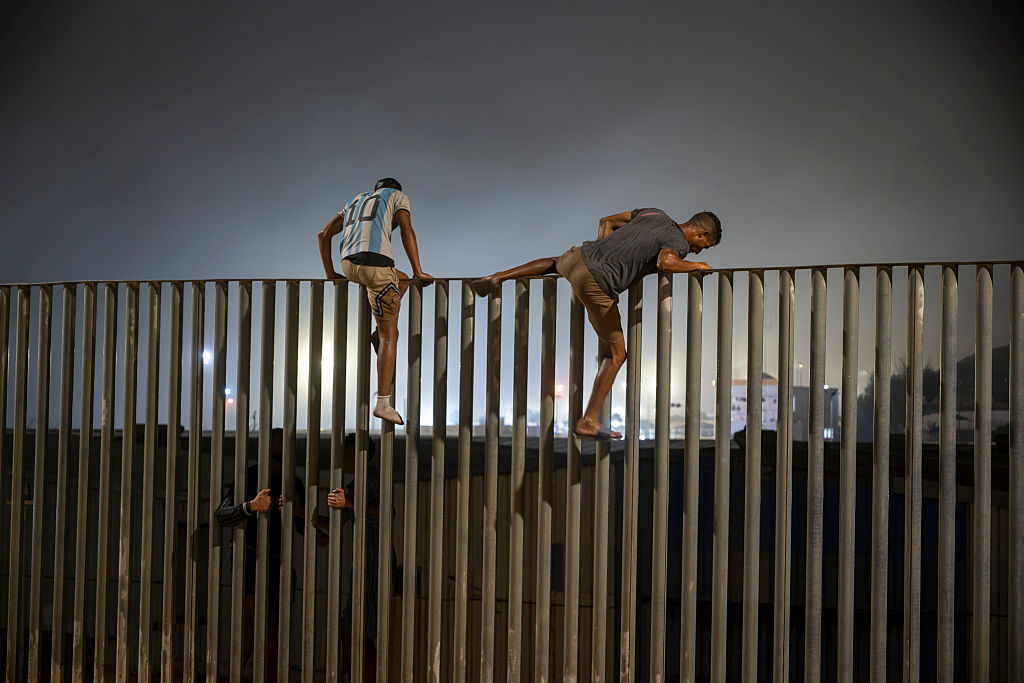
EU leaders urge focus on migrant smuggling amid Ceuta border crisis
The Spanish government has privately urged European allies to refrain from publicly criticizing Morocco over its role in the Ceuta border crisis, where over 72,000 people crossed into Spanish territory from North Africa in a short span.
During an online meeting of EU Interior Ministers, Madrid emphasized preserving its strategic partnership with Rabat, a key partner in managing migration flows and counter-terrorism cooperation. The appeal reflects broader European concerns about maintaining stability with a crucial North African ally amid shifting geopolitical dynamics.
Spain’s measured response to the Ceuta influx
Fernando Grande-Marlaska, Spain’s Interior Minister, avoided direct blame during a press conference, stating, “No single party bears exclusive responsibility.” While deflecting public criticism of Morocco, Spanish officials hinted at a political message behind the sudden surge, suggesting it may have been an intentional move to pressure Madrid.
Western intelligence sources later revealed that Morocco had at least tacitly approved the influx, though no official confirmation was provided. The situation was further complicated by viral misinformation on social media, falsely claiming a Spanish Supreme Court ruling had restricted immediate deportations of irregular migrants arriving by sea.
EU shifts focus to disinformation as migration debate intensifies
Rather than confronting Morocco directly, European leaders are prioritizing investigations into disinformation campaigns that may have exacerbated the crisis. Europol is probing potential coordinated disinformation efforts, with early assessments pointing to rapid amplification by Russian-linked actors following the border surge.
Morocco’s Interior Ministry spokesperson, Rachid Khalfi, attributed the crisis to “exploitation of digital space,” arguing that false narratives created the false impression that entry into Europe via Ceuta carried no legal consequences. The Moroccan government also criticized Spain’s handling of judicial decisions, suggesting Madrid should have anticipated the fallout.
European Commission explores expanded disinformation monitoring
Ursula von der Leyen, European Commission President, reiterated the principle that migrants should not be used as political leverage, without explicitly naming Morocco. She proposed increased financial support to Rabat while suggesting deeper EU-Morocco collaboration to address migration challenges.
Discussions among EU ambassadors and ministers this week centered on the role of disinformation, with calls for enhanced intelligence sharing to combat false narratives. The European External Action Service is examining whether Russian actors sought to exploit the crisis for political gain on social media. Frontex, the EU’s border agency, is also considering expanded powers to monitor disinformation related to migration flows in its next policy review.
Despite these efforts, no independent investigations have yet confirmed a coordinated disinformation campaign preceding last week’s events.


 Boureima Amadou