
 Boureima Amadou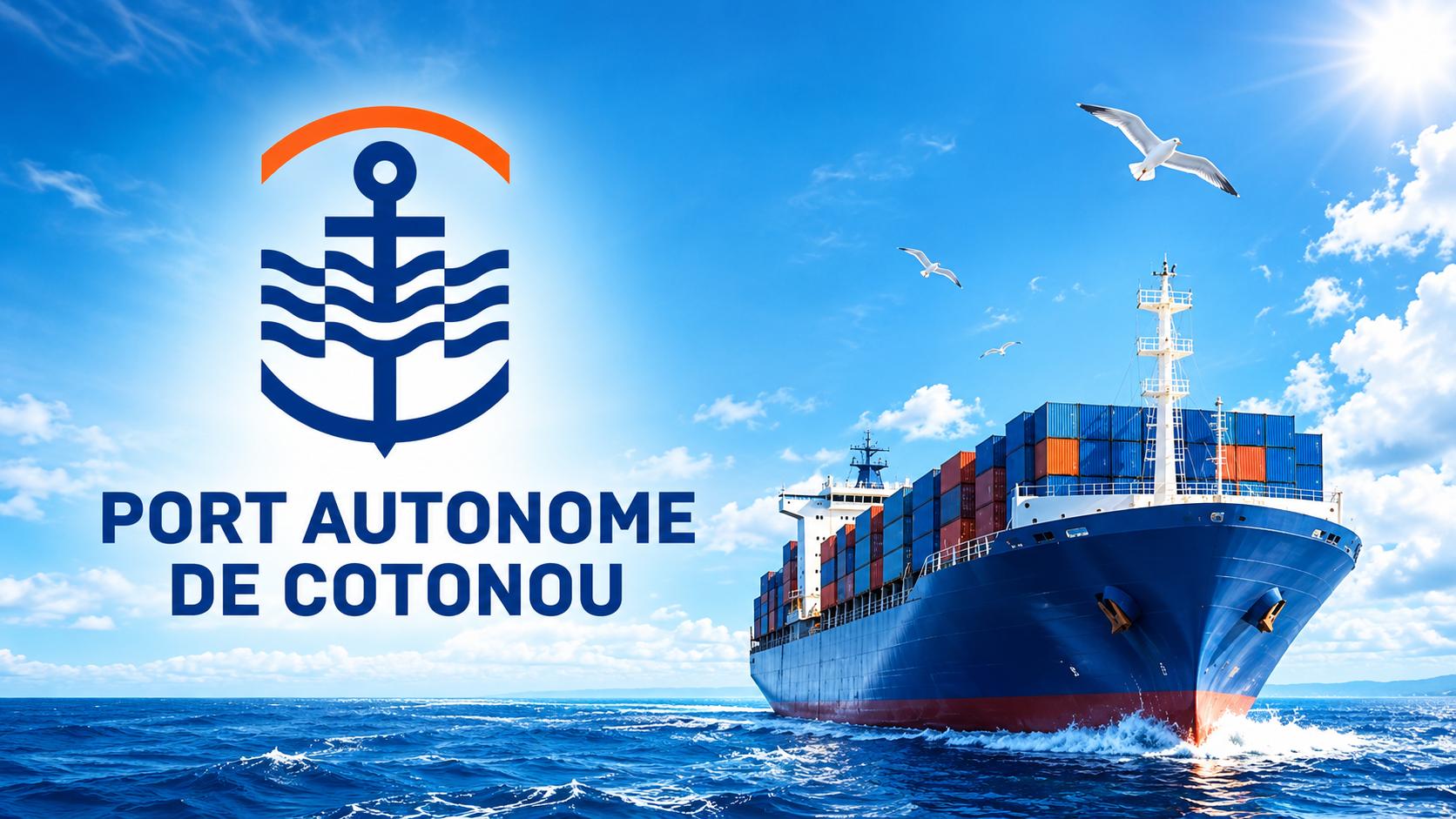
West Africa’s trade landscape is undergoing a significant shift, with Benin’s Port of Cotonou emerging as a central player. The strategic overhaul of this maritime hub is driving a sharp increase in transit volumes, positioning the port as a key gateway for regional commerce.
Data released for 2025 shows a remarkable jump in handled cargo — from 9.6 million tonnes in 2024 to 14.7 million tonnes this year. This surge reflects growing reliance on Cotonou as a secondary route for landlocked nations and coastal neighbors alike.
Expanding beyond national borders: a regional logistics pivot
The Port of Cotonou is no longer confined to serving Benin alone. It has evolved into a multi-country transit platform, leveraging its strategic location and modernized infrastructure to connect distant markets.
Key beneficiaries include:
- Burkina Faso: Increased flows of refined fuels, construction materials, and essential goods are moving through Cotonou toward Ouagadougou.
- Nigeria: With congestion at some local ports, Nigerian importers are increasingly routing shipments via Cotonou to ensure faster clearance and distribution.
- Chad: As the country diversifies supply chains, Cotonou offers a stable coastal alternative for Chadian businesses.
Modern infrastructure drives efficiency gains
The port’s rapid traffic growth is supported by significant upgrades: expanded berths, high-capacity cranes, and automated cargo tracking systems. These improvements have slashed processing times and increased reliability for international shippers.
New storage facilities and dedicated transit zones have also reduced bottlenecks, enabling smoother flow of goods bound for inland destinations. Authorities report an average 30% reduction in dwell time for containers during peak months, a critical factor in maintaining competitive transit rates.
Ambitious capacity targets set for the future
Plans are now underway to nearly double current throughput to 25 million tonnes annually. The expansion blueprint prioritizes three core areas:
- Container terminal expansion: A new deep-water berth will add 1.2 million TEUs of annual container capacity.
- Logistics park development: Construction of an inland container depot in Parakou aims to decentralize storage and reduce road congestion.
- Regional road connectivity: Upgrades to the RNIE1 corridor linking Cotonou to Burkina Faso are expected to cut transport costs by 15%.
These investments are designed not only to handle greater volumes but to attract multinational logistics firms seeking a foothold in West Africa.
Economic ripple effects across Benin and beyond
Higher cargo volumes translate into measurable benefits for Benin’s economy. Port-related activities now account for over 6% of national GDP, with spillover effects seen in manufacturing, warehousing, and services.
Job creation remains a key outcome. The port and its ancillary sectors employ over 12,000 people directly, with thousands more in indirect roles. Government data indicates a 12% year-on-year rise in port-linked employment since 2024.
Foreign investors are taking notice. Dozens of international freight and distribution companies have opened regional hubs in Benin, lured by efficient cargo handling and favorable transit policies.
What’s next for Cotonou’s port dominance?
The path forward depends on two critical factors: sustained investment and regional cooperation. Ongoing projects include:
- An upgrade to the port’s IT systems to integrate with West African customs networks.
- A customs pre-clearance pilot program with Niger and Burkina Faso to expedite border crossings.
- Expansion of the port’s free zone to host light manufacturing and packaging operations.
With the right policy support and infrastructure pipeline, the Port of Cotonou is on track to become the continent’s fastest-growing transit hub — redefining how West Africa trades with the world.



 Mariama Hamani


