
 Mariama Hamani
Congo democratic republic president tshisekedi responds to opposition pressure
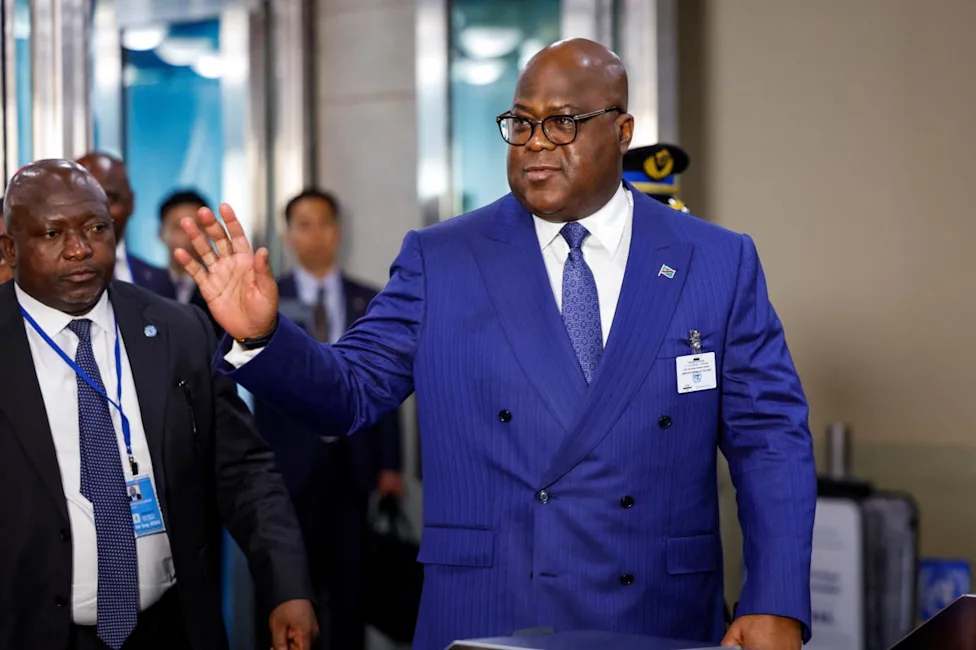
In a tense political climate, Félix Tshisekedi, President of the Congo democratic republic, has taken a step back from his initial proposal to hold a referendum on constitutional reforms. The move comes amid mounting pressure from the opposition coalition Article 64 (C64), which had set a deadline for the president to act.
On August 13th, Tshisekedi requested a new parliamentary review of the referendum law, a project his party has championed since 2024. The opposition argues this initiative could allow him to run for a third term, a move prohibited by the 2006 Constitution.
The day before, Dieudonné Bolengetenge, Secretary-General of Moïse Katumbi’s Ensemble pour la République and C64 spokesperson, warned that the coalition would no longer tolerate delays. He threatened nationwide mobilizations if Tshisekedi did not engage in meaningful dialogue.
The coalition, supported by 65 civil society groups, had planned a major march in Kinshasa on July 22nd. However, it was postponed after appeals from Catholic and Protestant churches urged political actors to prioritize dialogue over confrontation.
In a joint memorandum addressed to Tshisekedi and key institutions on August 10th, these organizations cautioned that pursuing constitutional reform through a referendum could deepen political tensions, widen social divides, and distract from national priorities.
A cautious step forward
While Tshisekedi’s decision to revisit the referendum law is seen as a “small step in the right direction” by Prince Epenge, C64 co-founder, the coalition remains resolute. It has not eased its pressure and continues to demand the complete withdrawal of the referendum proposal.
The opposition’s resolve was underscored by its call for nationwide mobilization and resistance if the government fails to meet its demands. This stance reflects the growing frustration among political actors and citizens over the constitutional reform debate.

Mariama Hamani
Analyst
Boureima Amadou
- Politics
- October 13, 2026
- 8 views
Senegal’s accountability push: Ousmane Sonko sets uncompromising standard for public officials
By Boureima Amadou — Journaliste / Rédacteur
- Politics
- October 9, 2026
- 29 views
Senegal’s presidential power clash: Faye and Sonko’s alliance collapses under ambition and principles
By Boureima Amadou — Journaliste / Rédacteur




