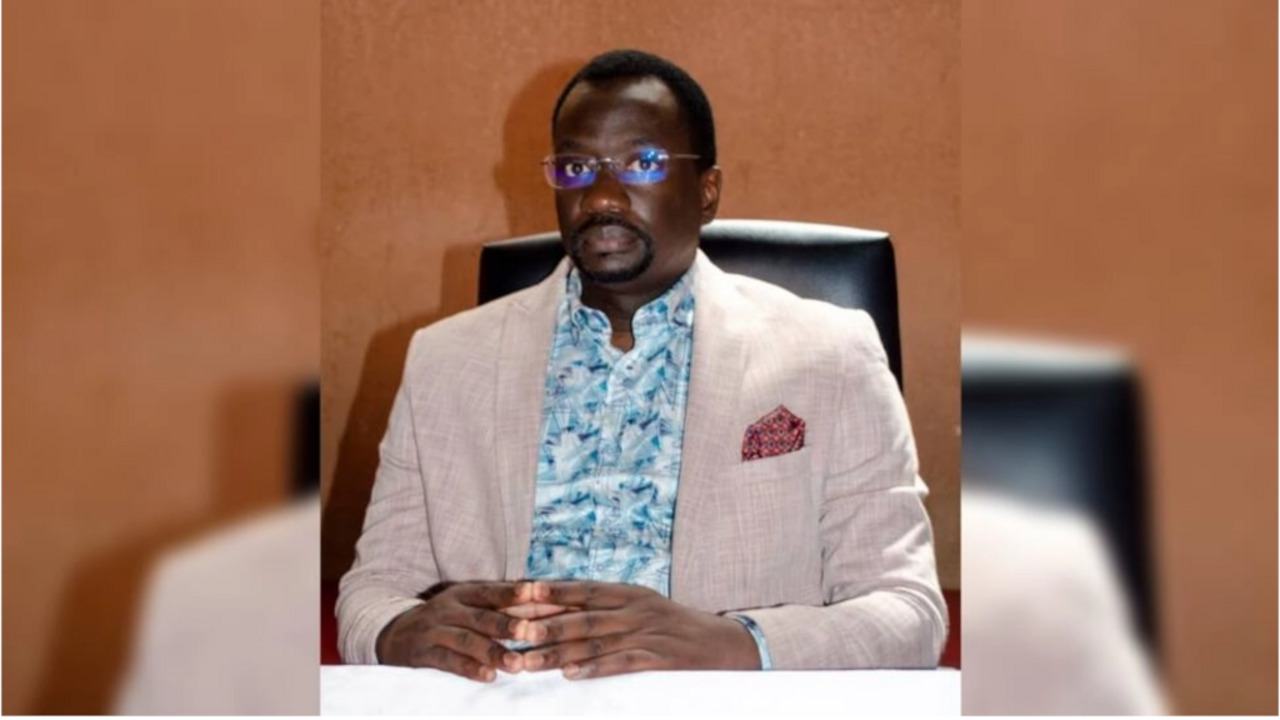
Boureima Amadou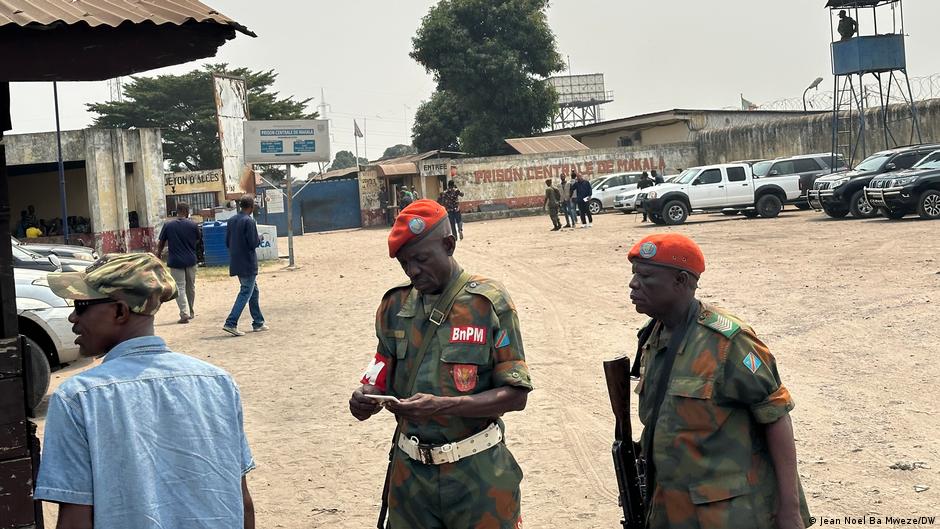
The Democratic Republic of the Congo is taking a critical step toward easing political tensions ahead of a much-anticipated inclusive national dialogue. The National Oversight Council for the Agreement and Electoral Process, known as the CNSA, has initiated a comprehensive review of all political and opinion prisoners in the country. This move comes as part of broader efforts to create a more conducive environment for constructive dialogue among Congolese leaders.
The initiative reflects the CNSA’s commitment to upholding the principle that justice must be blind. By systematically documenting cases of detained individuals, the Council aims to ensure that no citizen is deprived of their rights, regardless of political affiliation or background. This process is seen as a prerequisite for fostering trust and setting the stage for meaningful negotiations.
Building momentum for inclusive talks
The CNSA’s prisoner review is not merely administrative—it carries significant implications for the upcoming dialogue. The Council’s findings will be submitted to President Félix Tshisekedi, who is expected to take decisive action based on the documented cases. The goal is to address grievances, facilitate releases where appropriate, and create an atmosphere where all stakeholders feel represented and heard.
The initiative has already drawn attention to high-profile figures whose potential inclusion on a clemency list could signal a shift in the country’s political climate. Among those mentioned are Aubin Minaku and Emmanuel Ramazani Shadary, both prominent members of the People’s Party for Reconstruction and Democracy (PPRD), which was led by former President Joseph Kabila. Their names have surfaced in discussions about possible amnesty, though no formal decisions have been made.
PPRD voices support for detained leaders
The PPRD has publicly welcomed the CNSA’s efforts, emphasizing that the release of its detained members would be a positive development. Speaking on behalf of the party, Lucain Kasongo, a senior cadre, stated, “If through this initiative we can secure the freedom of our comrades who remain behind bars, we can only commend the effort. Whether the initiative comes from within or outside, any move that leads to their release—be it Aubin Minaku, Emmanuel Ramazani Shadary, Dunia Kilanga, Parole Kamizelo, or others—deserves our full support.”
Civil society has also played a role in this process. Justicia ASBL, a human rights organization, recently submitted a list of approximately 100 individuals it considers political or opinion prisoners to the Minister of Justice, further highlighting the scale of the issue and the urgency of addressing it.
Death sentences complicate the path to reconciliation
The path to decrispation is not without obstacles. Notably, the list of individuals under scrutiny includes former President Joseph Kabila and Corneille Nangaa, coordinator of the M23 rebel faction, both of whom have been sentenced to death in absentia. Timothée Mbuya, coordinator of Justicia ASBL, has argued that these sentences should be annulled as part of a broader political gesture to build trust. “A political measure must be taken to cancel these convictions, not only against Joseph Kabila but also Corneille Nangaa,” he stated. “We believe this is essential to foster the political confidence needed for an inclusive dialogue to succeed.”
As the CNSA’s review progresses, the nation watches closely. Will these efforts translate into concrete actions that ease tensions and pave the way for a dialogue capable of uniting a deeply divided country? The answer may well determine the trajectory of the Democratic Republic of the Congo in the months ahead.