Boureima Amadou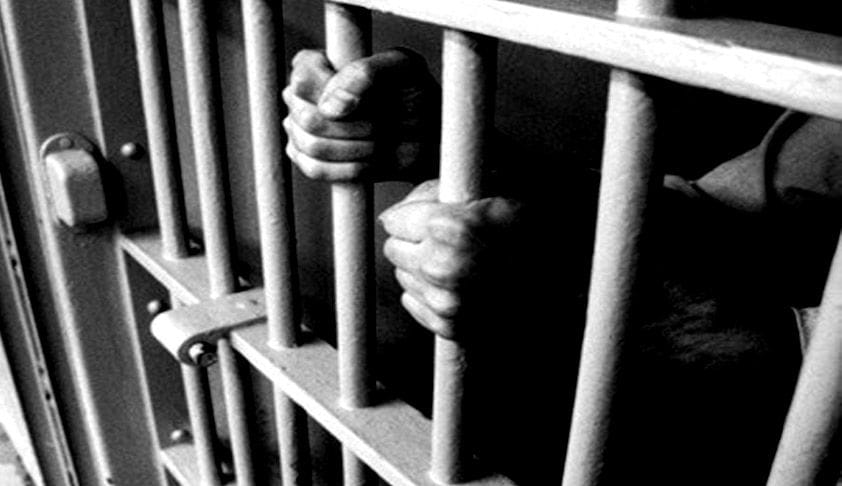
Chad’s leadership navigates politics of reconciliation through selective clemency
President Mahamat Idriss Déby Itno’s address marking Chad’s Independence Day on August 11 highlighted a carefully orchestrated political narrative—one that blends republican resolve with strategic magnanimity. In condemning corruption and nepotism while hinting at imminent presidential pardons, the administration projects an image of reform while masking deeper political calculations.
Dismantling criticism through self-accusation
By framing systemic corruption and embezzlement as obstacles to development, the regime appropriates opposition rhetoric, positioning itself as the nation’s moral authority. This rhetorical sleight of hand allows the presidency to appear proactive in addressing grievances while deflecting scrutiny from its own governance since April 2021.
The promise of surprise inspections and punitive measures further reinforces the illusion of decisive action, shifting accountability for structural failures onto lower-level officials.
Pardon vs. amnesty: the legal trap of selective mercy
The heart of this strategy lies in the choice between pardon and amnesty. While amnesty erases legal infractions entirely, granting broader rehabilitation opportunities, a presidential pardon merely suspends a sentence—leaving the conviction intact. This distinction is pivotal for the regime.
For recipients, a pardon transforms them into beneficiaries of state mercy, stripping them of political leverage. It reinforces the presidency’s dominance: reconciliation is not a negotiated settlement but a unilaterally granted concession, cementing a hierarchy where the head of state holds ultimate authority.
Double standards in national reconciliation efforts
A closer examination reveals glaring inconsistencies in how dissent is handled. Armed factions, for instance, have benefited from amnesty under the guise of fostering peace. Meanwhile, peaceful opposition leaders—such as those associated with the Transformateurs movement—face systematic judicial persecution and exclusion from national discourse.
This disparity fuels perceptions of favoritism and targeted suppression, risking deeper regional divides rather than fostering the unity the government claims to champion. Historical precedents show that sustainable reconciliation demands inclusive dialogue and equitable treatment—not selective clemency perceived as politically motivated.
Public empathy as a political facade
The president’s acknowledgment of pressing needs—access to water, electricity, infrastructure, and justice—may seem like empathy in action. Yet such statements often lack concrete commitments, serving more as a symbolic gesture than a roadmap for change.
Ultimately, this address reflects a calculated media operation designed to dominate public discourse through emotional appeal and manufactured consensus. Beneath the rhetoric of unity lies a strategy to preserve the ruling power’s political advantage.