Mariama Hamani
Chad’s governance crisis: when public management defies divine justice
Is it Allah who commanded the plundering of national resources to honor the land in this manner?
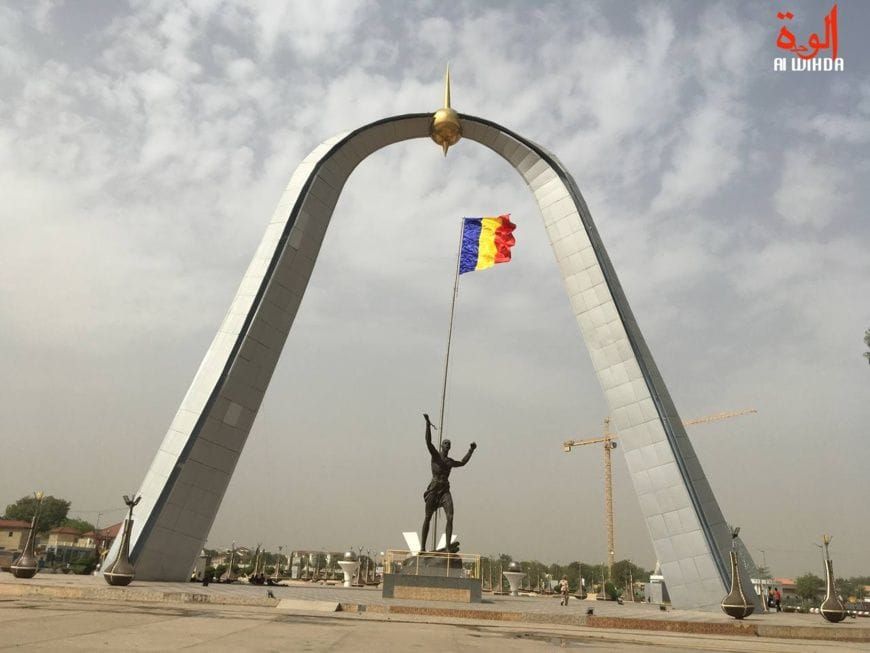
The recent statements from the Head of State, who attributes the failures of power to Allah and invokes divine fear to control the population, while emphasizing the fleeting nature of earthly life, strike a discordant note against the backdrop of citizens’ daily struggles.
In Chad, faith and spirituality serve as pillars of resilience for its people in the face of an inhumane political regime. Yet when these values are weaponized to obscure systemic failures in governance, the economy, and institutions, it becomes essential for every discerning individual to remind leaders that governance is not divinely ordained. This persistent reliance on religious rhetoric cannot mask a disastrous management record.
Sincerity and justice stand as sacred principles, most visibly expressed in politics through the unwavering respect for popular will. However, the electoral charade of the May 2024 presidential election shattered public trust irreparably. Legitimate grievances, disputed official figures, and independent observer reports exposed a rigged process designed to entrench power. This was followed by tragic losses of life in the name of celebrating a stolen victory.
The discourse on divine truth must be grounded in absolute transparency in vote management. The upcoming legislative and local elections will serve as a critical litmus test. Without a complete overhaul of the electoral body and the publication of results by polling station, democratic transition remains a mere rhetorical construct.
The 2024 electoral sham created an irreparable breach of trust. The people now demand a complete overhaul of the electoral register and a restructuring of the electoral authority for future legislative elections—if the Head of State truly values truth.
State nepotism versus republican fairness
Divine law condemns favoritism, theft, and inequity. Yet the current regime thrives on an obscene concentration of appointments in high-level state positions, financial institutions, and security forces, all based on nepotism. Technical expertise is systematically sacrificed on the altar of regional, clan, or family affiliations. Republican meritocracy lies in ruins. Young graduates without influential networks face unemployment, while key administrative posts—where oil and customs revenues are managed—are distributed like political favors to the Head of State’s inner circle. This palpable social injustice fuels frustration and undermines national stability.
Collapsing infrastructure: a managerial shipwreck
Claiming daily hardships as mere spiritual trials reflects political cynicism. Chad is experiencing a systemic collapse of essential services that has nothing to do with divine will and everything to do with managerial incompetence.
Energy deprivation in N’Djamena is not divinely ordained. Access to electricity has become a luxury, with blackouts now a daily ordeal. The recent fire at the main power plant has turned the capital into a search for El Dorado. Hospitals and businesses grind to a halt during scheduled outages.
The water crises in Abéché, Sarh, and Moundou cannot be attributed to Allah’s will—if indeed He provided Chad with abundant water reserves. Yet potable water remains an elusive daily struggle for households because incompetence sits at the helm.
Oil and gold revenues are siphoned off for the benefit of a privileged few, while critical structural investments are neglected. Is it Allah who decreed that national resources should be plundered to honor the land in this way?
The aspirations of the people extend far beyond moral platitudes or empty promises. They demand credible institutions, functional public services, and inclusive governance. Only through tangible, measurable improvements in the daily lives of Chadians can the sincerity of leaders be truly assessed.


 Boureima Amadou