Mariama Hamani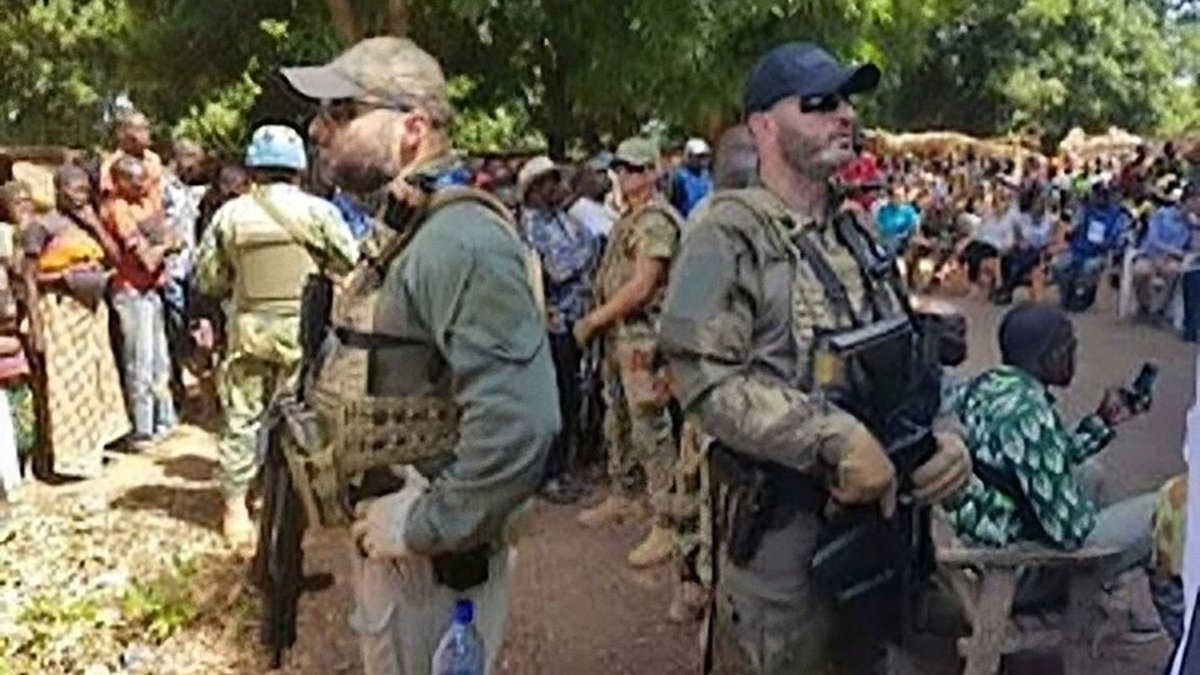
In a striking turn of events, a Centrafrican journalist who exposed the inner workings of the Wagner Group in Central Africa has been denied asylum in France. The decision comes despite an official permit granted to him by Emmanuel Macron, allowing him temporary residency in the country since 2024.
Ephrem Yalike-Ngonzo, whose revelations shed light on the Kremlin-backed paramilitary group’s propaganda and operational tactics in the region, has become a symbol of resistance against foreign interference. His lawyer described the asylum rejection as a “damning signal” to those fighting against Russian disinformation campaigns worldwide. The refusal not only endangers the journalist’s safety but also sends a chilling message to whistleblowers across the continent.
From paid propagandist to whistleblower
Yalike-Ngonzo’s journey from a local journalist to a high-profile whistleblower was marked by financial coercion and life-threatening risks. Between 2019 and 2023, he received payments ranging from 15 to 30 euros for articles that glorified the Centrafrican armed forces and their Russian allies. These modest sums, equivalent to a quarter of his monthly income, were part of a broader strategy to amplify pro-Russian narratives in Central African media.
The turning point came in 2024 when he collaborated with an international investigative team to uncover the extent of Wagner’s influence in Africa. His testimony exposed the group’s systematic efforts to manipulate public opinion, recruit local mercenaries, and destabilize the region. The disclosures led to immediate repercussions: Mikhail Prudnikov, a key architect of Moscow’s propaganda machine in the country, faced sanctions from the European Union.
A perilous refuge and an uncertain future
Threatened with death by Wagner operatives, Yalike-Ngonzo fled Centrafrica and sought safety in France. His temporary residency, secured through Macron’s intervention, provided a brief respite. However, the French authorities’ decision to deny his asylum claim has left him and his family in legal limbo. With no legal status, they remain in hiding, constantly looking over their shoulders.
The situation is even more precarious for his relatives still in Centrafrica. They are frequently questioned by unknown individuals, pressured to disclose the whereabouts of the journalist. The psychological toll on Yalike-Ngonzo and his loved ones is immense, as they navigate a reality where safety is a luxury they can no longer afford.
On July 9, 2024, a formal appeal was filed with the National Court of Asylum. The legal process could drag on for up to a year, leaving the journalist and his family in a state of prolonged uncertainty. For now, their existence remains defined by secrecy, resilience, and the hope that justice—and protection—will eventually prevail.


 Boureima Amadou