Mariama Hamani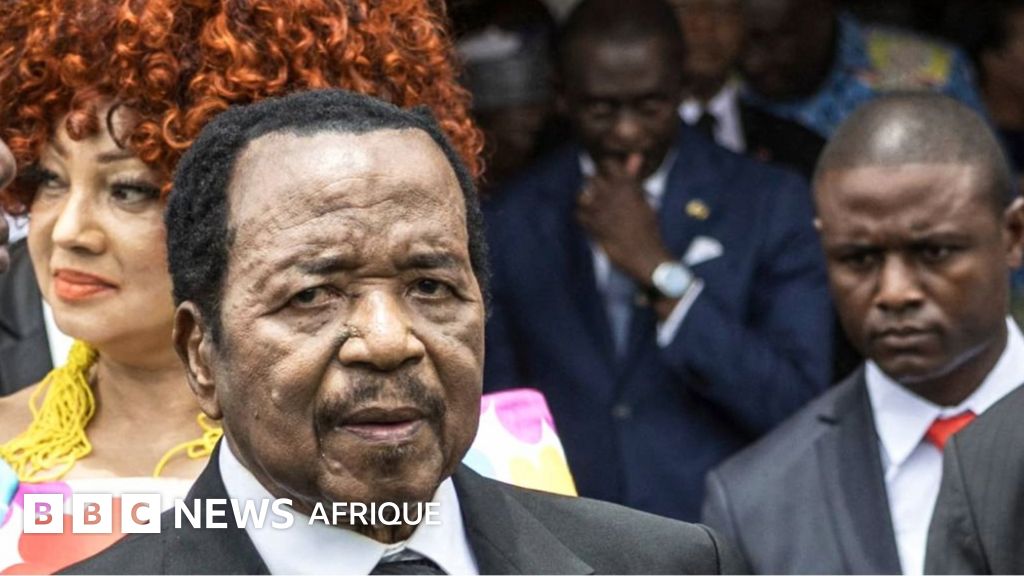
The Camerounese president, Paul Biya, has reshuffled the army’s high command as public unease grows over his extended stay abroad. At 93, the world’s oldest sitting leader has appointed new officers to critical posts and elevated five colonels to brigadier general.
Military reshuffle follows regional instability
This latest military restructuring mirrors past adjustments made after the 2023 coup in neighboring Gabon that toppled the Bongo dynasty, sending shockwaves across West and Central Africa. In Cameroun, authorities moved swiftly to reinforce command structures following that event.
Biya’s government has a history of reshuffling the armed forces during periods of heightened public scrutiny or perceived vulnerability. Earlier this year, ahead of the controversial eighth-term election, top military brass were reassigned to new positions. Additional promotions were announced in June, further consolidating leadership within the defense and security sectors.
Questions mount over president’s prolonged absence
The reshuffle was announced in multiple decrees signed from Geneva, where Biya has remained for nearly two months. Authorities describe the trip as a “private visit,” though details about his daily activities and return timeline remain undisclosed.
Public skepticism has intensified, particularly as the president has not yet fulfilled his post-election pledge to form a new government. The vice-presidential position, created in April, remains unfilled, adding to concerns about institutional continuity.
During his time abroad, Biya has authorized several loan agreements with international financial institutions. Yet questions persist about his health, despite repeated assurances from officials that he is in good condition and will return shortly.
Freedom of the press advocates have criticized the government’s 2022 decision to bar local media from reporting on Biya’s health. The minister of communication, René Emmanuel Sadi, has countered opposition claims that his absence constitutes a leadership vacuum, insisting the president remains active from abroad.
However, opposition leader Mamadou Mota of the CRM party dismisses these claims, stating that Cameroun is experiencing a “blatant institutional void.” He argues, “Executive authority must operate within the nation, not through vague signals or distant hotel suites.”
With no clear timeline for his return, the reshuffle offers little reassurance to a population increasingly divided over the governance of Africa’s oldest serving president.

 Boureima Amadou