Boureima Amadou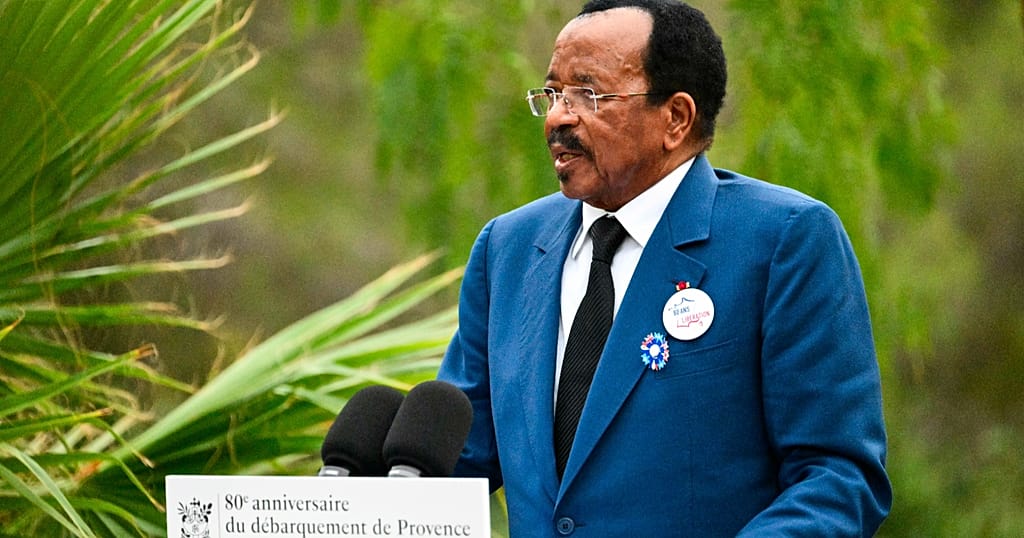
As the African nation of Cameroon grapples with the prolonged absence of its 93-year-old president, Paul Biya has intensified his use of presidential decrees to demonstrate ongoing governance and maintain control over state affairs.
The head of state and his wife departed Cameroon on June 7, initially described as a “brief private stay in Europe.” Yet, nearly two months later, the president remains out of public view, fueling intense speculation regarding his health and raising concerns about a potential leadership vacuum.
Government responds to mounting questions
Facing growing accusations of an institutional void, the government has adopted a communication strategy centered on frequent presidential decrees. These acts serve a dual purpose: they underscore the president’s continued engagement in national affairs while reinforcing the stability of the state’s security apparatus.
Strategic appointments and financial agreements
In late July, President Biya signed a decree authorizing the Minister of Economy to conclude agreements with the Islamic Development Bank, securing nearly 28 billion CFA francs in funding. On August 3, he further reinforced his grip on the military by promoting five colonels to brigadier general rank and appointing General Ebaka Hypolite as the new Chief of Staff of the Armed Forces. These moves not only signal an active presidency but also tighten control over Cameroon’s security infrastructure.
Despite these measures, opposition figures continue to voice strong criticism, condemning what they describe as a “dangerous institutional vacuum” and accusing the government of operating in “autopilot mode.” These concerns have grown louder in light of months-long delays in appointing a new government and vice president.
Government officials have repeatedly denied any decline in the president’s health and have assured the public of his imminent return to Cameroon.

 Mariama Hamani