Mariama Hamani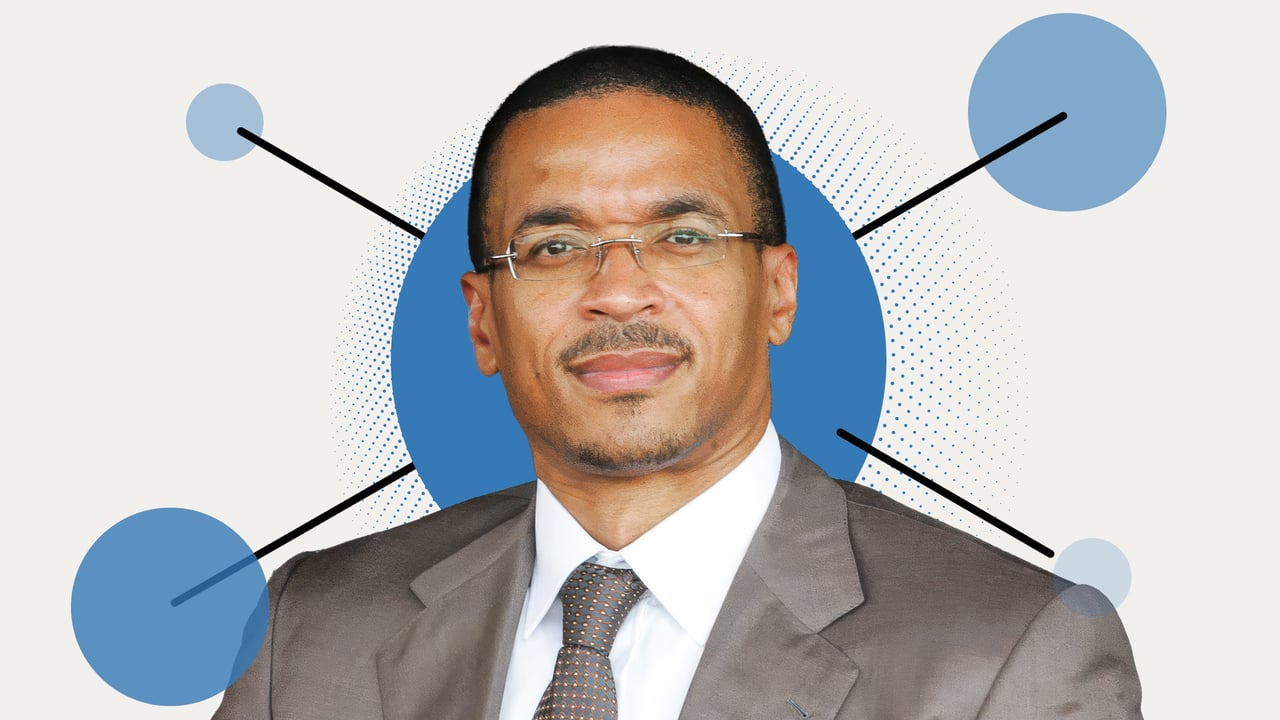
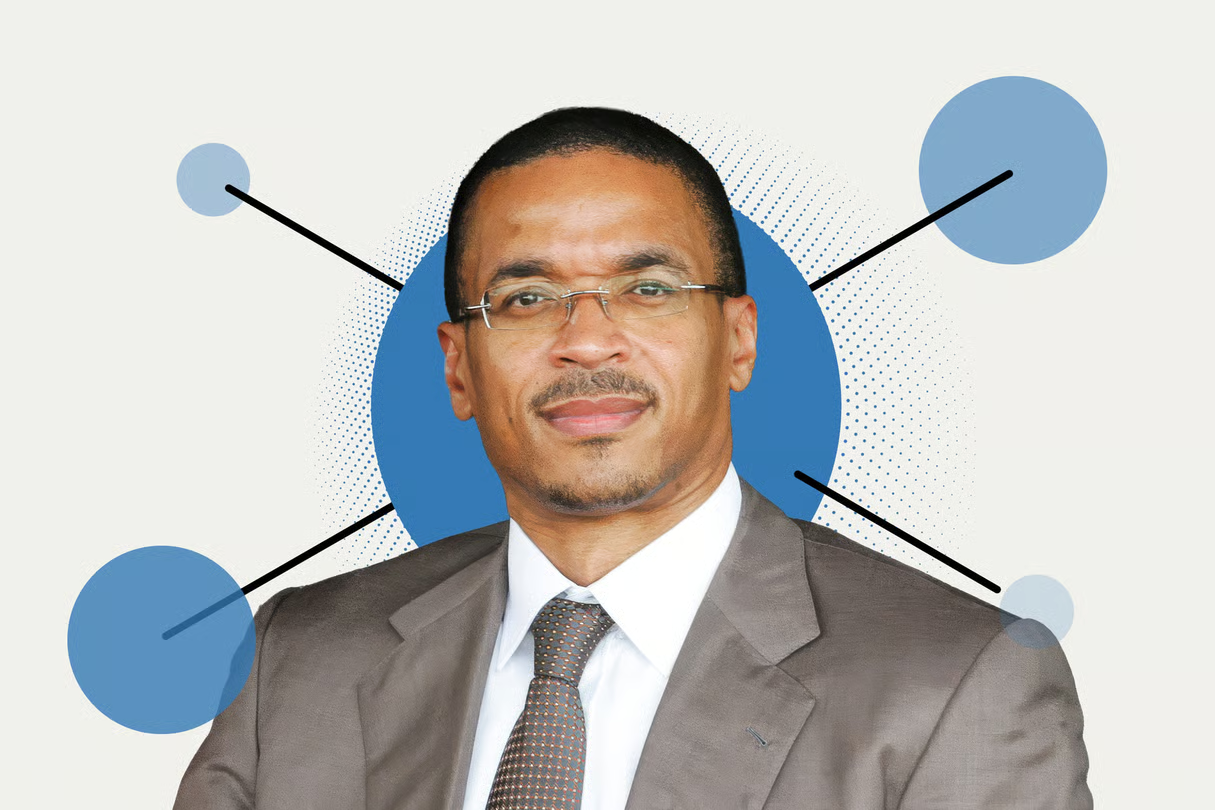
Cameroon’s political landscape shifts with Franck Biya’s rising influence
Updated today Reading time: 6 minutes
The Cameroonian political arena is witnessing a significant realignment as Franck Biya, son of President Paul Biya, consolidates his position as a central figure in national governance. With decades of experience under his belt, Franck Biya has become a name synonymous with continuity and strategic influence in Yaoundé’s corridors of power.
The Biya dynasty’s enduring legacy
For nearly half a century, the Biya family has steered Cameroon’s political narrative, shaping policies that resonate across Central Africa. Paul Biya, now one of the continent’s longest-serving leaders, has overseen a period marked by both stability and challenges. As the country navigates evolving economic and social dynamics, Franck Biya’s emergence signals a potential transition in leadership dynamics.
Franck Biya’s path to prominence
Franck Biya’s journey within Cameroon’s political landscape has been characterized by strategic positioning and deep-rooted connections. From his early involvement in governance to his current role, he has steadily built a reputation as a key decision-maker. His potential ascent to the vice-presidency would not only reinforce the Biya family’s influence but also reinforce Cameroon’s political continuity.
Implications for Cameroon’s future
The spotlight on Franck Biya comes at a critical juncture for Cameroon. With national priorities shifting toward economic diversification and regional stability, his involvement could redefine governance strategies. Analysts suggest that his leadership style, rooted in decades of institutional experience, may offer a steady hand during periods of transition.
Public perception and political dynamics
While Franck Biya enjoys significant support within Cameroon’s political elite, his rise is not without scrutiny. Public opinion remains divided on the implications of a prolonged Biya family presence in power. Some view it as a stabilizing force, while others question the long-term impact on democratic governance and youth aspirations.
As Cameroon charts its course in the coming years, the role of the Biya family—particularly Franck Biya—will remain a focal point. His actions in the coming months could determine whether Cameroon embraces gradual reform or maintains the status quo under familiar leadership.


 Boureima Amadou