Mariama Hamani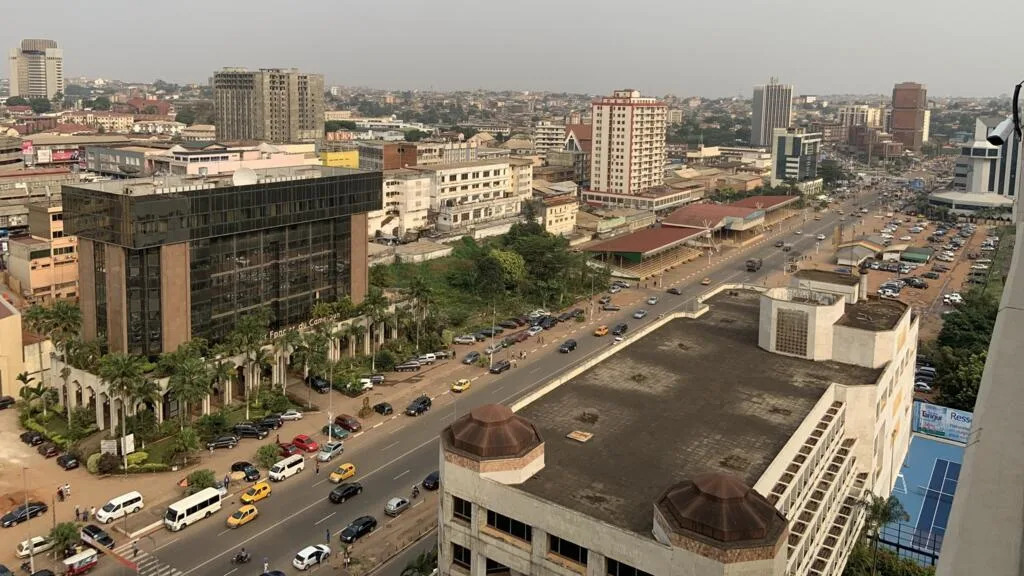
Cameroon extends census period for second time amid challenges
The government of Cameroon has announced an additional extension to the ongoing national census, marking the second consecutive delay in the enumeration process. This decision comes as officials seek to address gaps in data collection, particularly in underserved urban areas.
Why the census period was extended again
The extension was formalized through a directive from Prime Minister Joseph Dion Ngute, who emphasized the need to ensure a more comprehensive count of households, individuals, and agricultural holdings across the country. The move follows concerns that certain regions—especially rapidly growing urban centers like Yaoundé and Douala—were not fully covered in initial mapping efforts.
The latest phase aims to rectify these oversights by deploying additional enumerators and revisiting areas where coverage was previously incomplete. Authorities have acknowledged that only 60.4% of the population has been recorded since the census began in April, leaving a significant portion of the population unaccounted for.
Key obstacles in the census process
The national enumeration effort has faced several hurdles, including:
- Payment delays for enumerators, which have led to frustration and reduced participation;
- Low engagement from certain households, particularly in communities where trust in the process is limited;
- Linguistic barriers, which complicate data collection in multilingual regions;
- Security concerns in conflict-prone areas, restricting access to some communities.
These challenges have slowed progress, prompting the government to extend the timeline to ensure accuracy and inclusivity in the final count.
What’s next for the census?
With the additional time granted, officials are intensifying efforts to reach every segment of the population. The extended phase will focus on:
- Improving coverage in previously missed urban neighborhoods;
- Addressing enumerator grievances to boost morale and participation;
- Strengthening outreach in hard-to-reach and high-risk zones.
The government has not specified a new deadline, but the move underscores its commitment to delivering a reliable and all-encompassing census result.


 Boureima Amadou