Mariama Hamani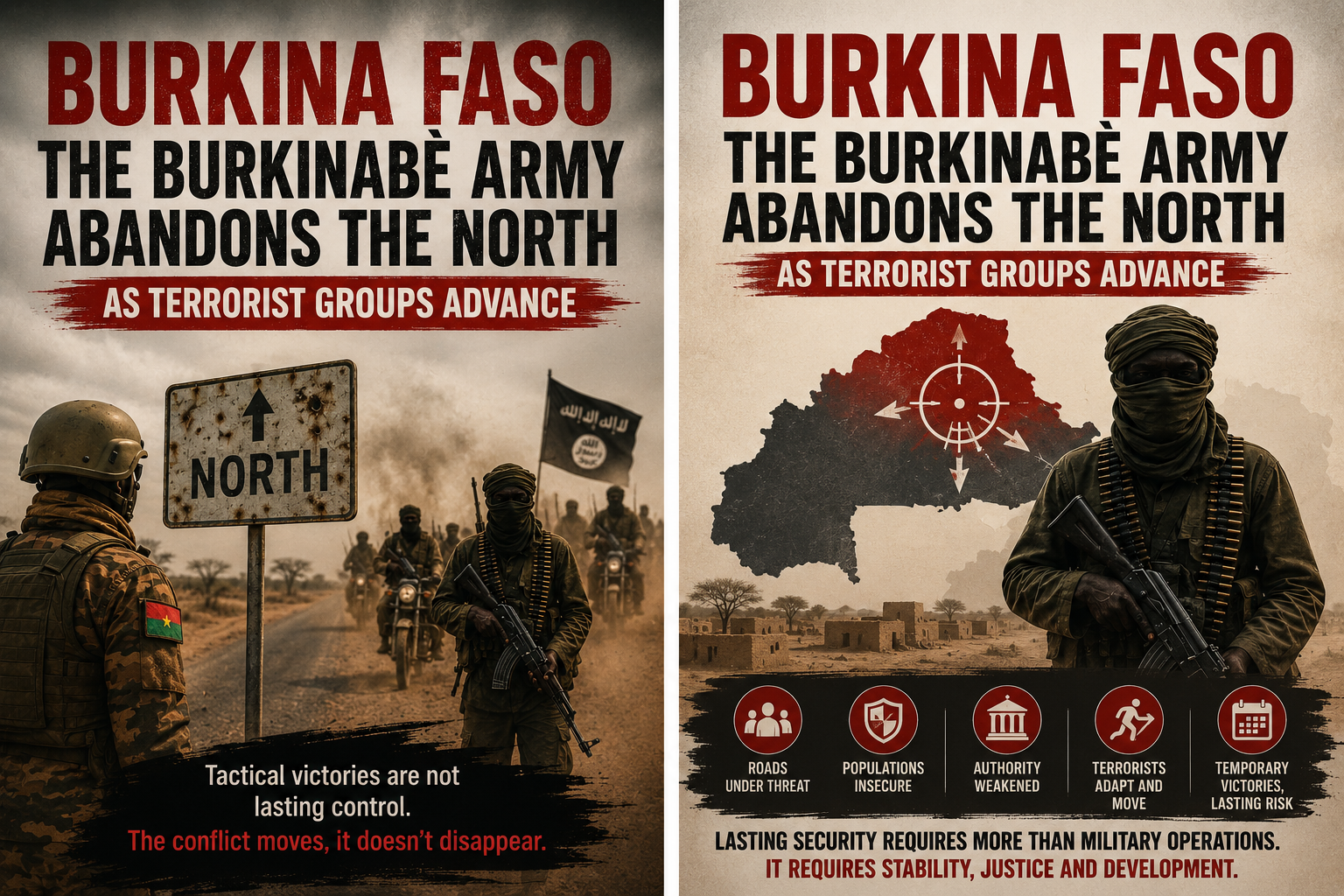
The North remains under siege despite military campaigns
The northern regions of Burkina Faso continue to face severe security challenges despite the government’s repeated assertions of military strength and the launch of numerous offensive operations. Insurgent groups have not vanished; instead, they have adapted their tactics, avoiding direct confrontations in favor of a protracted war of attrition. Their strategy relies on mobility, harassment, and relentless pressure on civilian populations, making the conflict’s trajectory difficult to predict.
Why territorial gains are harder to sustain
The fluid nature of the insurgency poses a major challenge for the Burkinabe armed forces. Unlike traditional armies that hold fixed positions, these armed groups operate in small, mobile units that are nearly impossible to track once dispersed. After military operations, fighters often retreat into rural areas, only to re-emerge elsewhere, exploiting gaps in security measures. This fluidity means that even successful operations may only yield temporary territorial control, with the underlying threat persisting.
Roads remain the battleground’s lifeline
Control over transportation routes is a critical measure of security in the north. Major roads frequently fall victim to ambushes, improvised explosive devices, and targeted attacks. The consequences extend far beyond military concerns: disrupted supply chains inflate prices, markets operate at reduced capacity, and entire communities risk isolation from urban centers. A city’s safety cannot be gauged solely by the presence of troops within its limits; its vulnerability is determined by the security of its access routes and surrounding agricultural zones.
The post-offensive challenge: holding what’s been retaken
Recovering territory through military force is only half the battle. The true test lies in maintaining control after forces withdraw. If the state fails to reinstall robust administrative, judicial, and police structures, insurgents can easily infiltrate and rebuild their networks. Sustainable stabilization requires more than just clearing areas—it demands the restoration of schools, healthcare centers, and economic activities, alongside a visible return of government services. Without these measures, military victories risk being short-lived.
Civilian suffering deepens amid insecurity
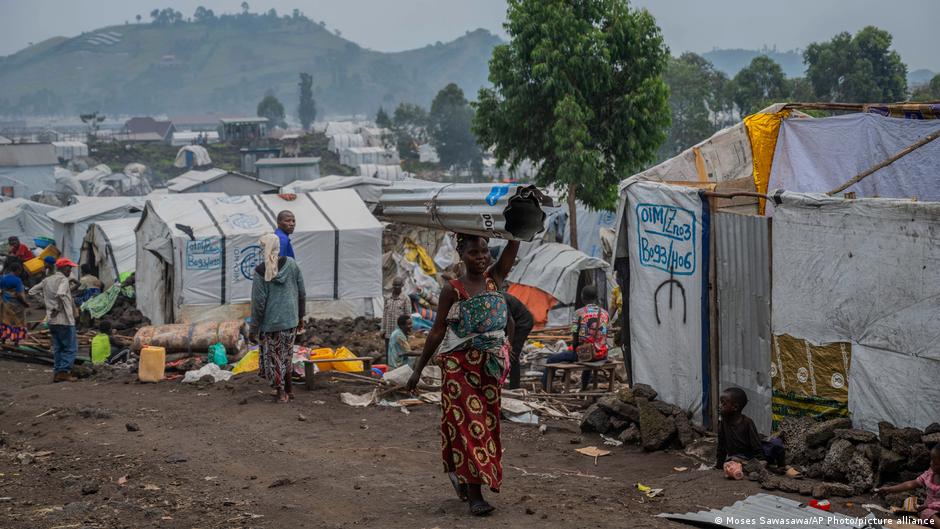
Behind the statistics of operations and neutralized fighters lies the harsh reality faced by civilians. Forced displacements, disrupted farming, shuttered public services, and crippled trade have pushed communities already grappling with poverty into further vulnerability. This downward spiral creates opportunities for armed groups to exploit weakened populations. The weaker the state’s presence, the more space insurgents find to embed themselves in local dynamics.
Military announcements fall short of ground realities
While military communications can bolster morale and inform the public, they do not replace on-the-ground assessments. The number of operations conducted or fighters eliminated does not, in itself, signal victory. Genuine progress is measured by restored freedom of movement, reopened roads, revived public services, economic revival, and the state’s ability to assert authority in recaptured zones. Tactical wins must not obscure the broader, still-fragile strategic picture.
Beyond force: the need for a holistic approach
Burkina Faso’s crisis has evolved into a multifaceted challenge that demands more than a military response. Effective stabilization in the north requires a coordinated strategy combining intelligence, secure supply routes, civilian protection, administrative reinstatement, social services, displaced population support, and local economic recovery. Equally important is fostering community trust in state institutions—especially in a conflict where misinformation and accusations can deepen divisions.
The danger of premature declarations of victory
One of the greatest risks is mistaking temporary military pressure for genuine resolution. Insurgents may lose fighters, abandon zones briefly, or suffer heavy strikes, yet retain the capacity to regroup, adapt tactics, and exploit state weaknesses. Their ability to disperse and remerge elsewhere means tactical setbacks often amount to little more than temporary retreats. The core question is not how much territory has been reclaimed, but whether the state can hold it and restore normalcy. Until stabilization efforts match military advances, announcements of victory may merely conceal a conflict that persists in new forms.
True success lies in lasting stability
The ultimate goal is not to push insurgents back temporarily, but to make their return impossible by simultaneously restoring security, public authority, and livelihoods. Without this, the cycle of violence will endure, shifting shape but never truly ending.

 Boureima Amadou