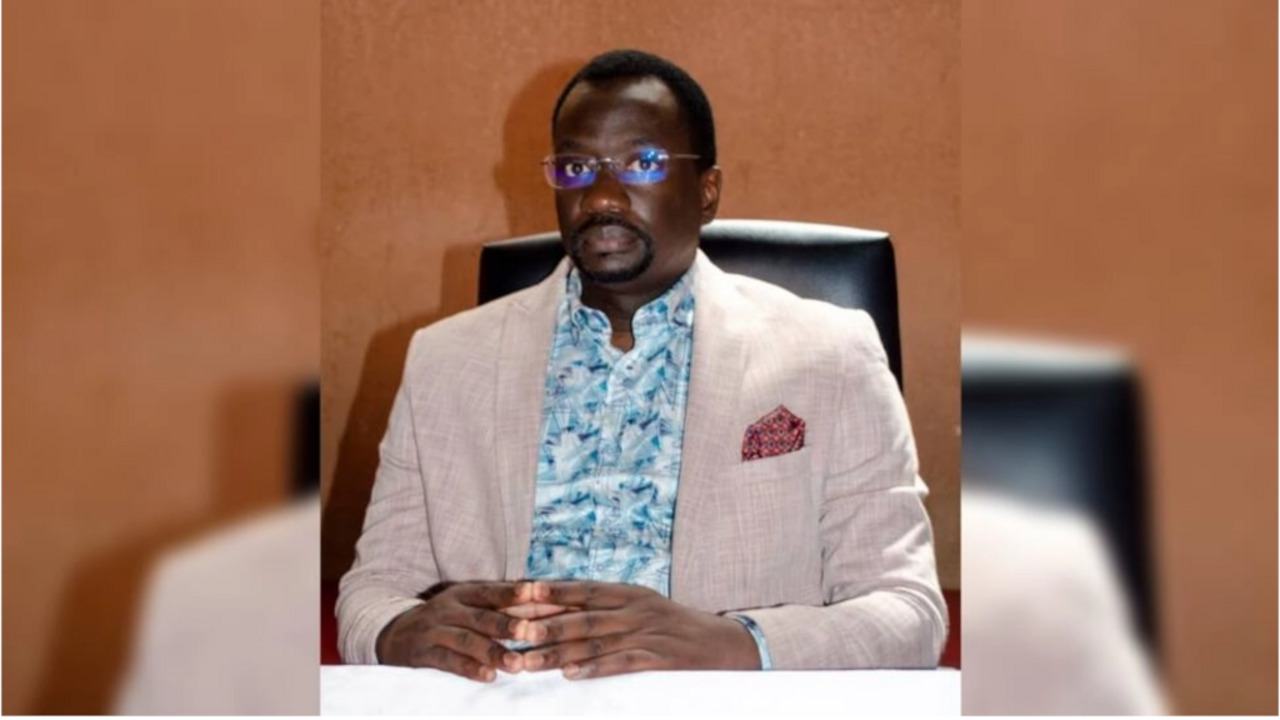
Boureima Amadou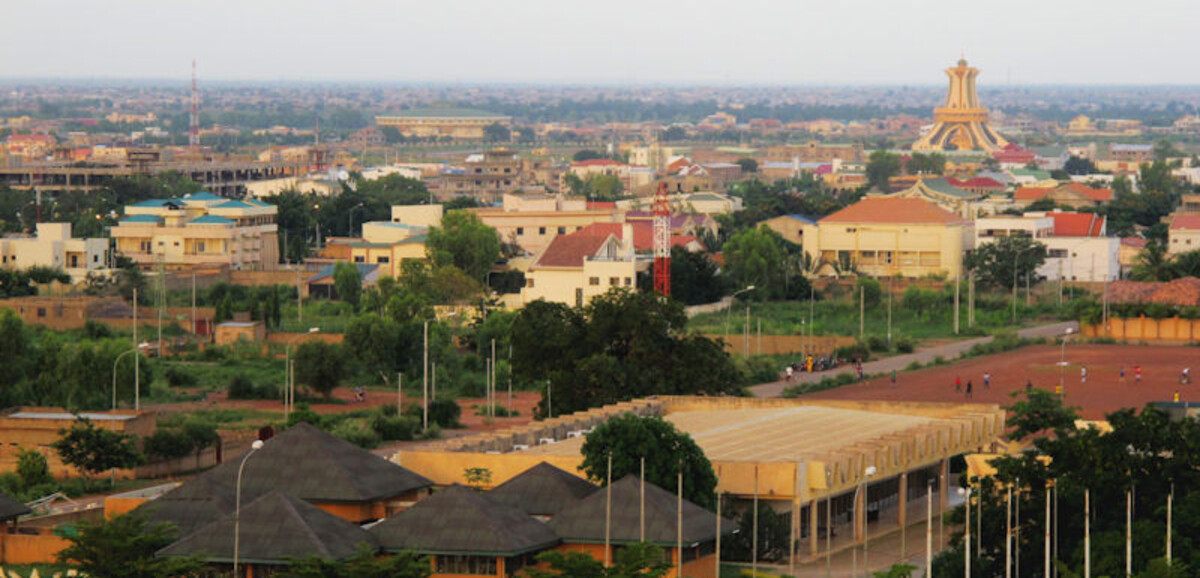
Burkina Faso: Military regime suspends student union and detains its leader
The transitional military authorities in Burkina Faso have suspended the country’s largest student organization, the Union générale des étudiants du Burkina (Ugeb), for a renewable three-month period. The decision, announced by the Ministry of Territorial Administration, cited allegations of “terrorism glorification” as justification.
The crackdown on the Ugeb comes amid a broader tightening of restrictions under the leadership of Captain Ibrahim Traoré, who seized power in a coup d’état in September 2022. In recent weeks, nearly a thousand associations have been dissolved or suspended under a new law regulating civic freedoms.
Student leader detained in overnight raid
The Ugeb reported that a dozen members, including its president Wilfried Bazo, were arrested in a predawn operation at their Ouagadougou headquarters. Several students were reportedly taken to undisclosed locations. The organization condemned the arrests as “severe violations of fundamental freedoms” and demanded their immediate release.
Growing dissent within student ranks
Days before the suspension, the Ugeb had issued a statement accusing the military regime of “systematic abuses of democratic, union, and political rights” in the name of counterterrorism. The group also criticized the authorities’ “failure to restore security” amid escalating jihadist violence across much of the country.
International watchdogs condemn repression
On Wednesday, prosecutors announced the opening of a judicial inquiry into materials attributed to the Ugeb. Human rights observers warned that the suspension fits a broader pattern of “government repression targeting freedom of association and expression”. Analysts argue that “silencing students will not address Burkina Faso’s twin crises of insecurity and governance”.