Mariama Hamani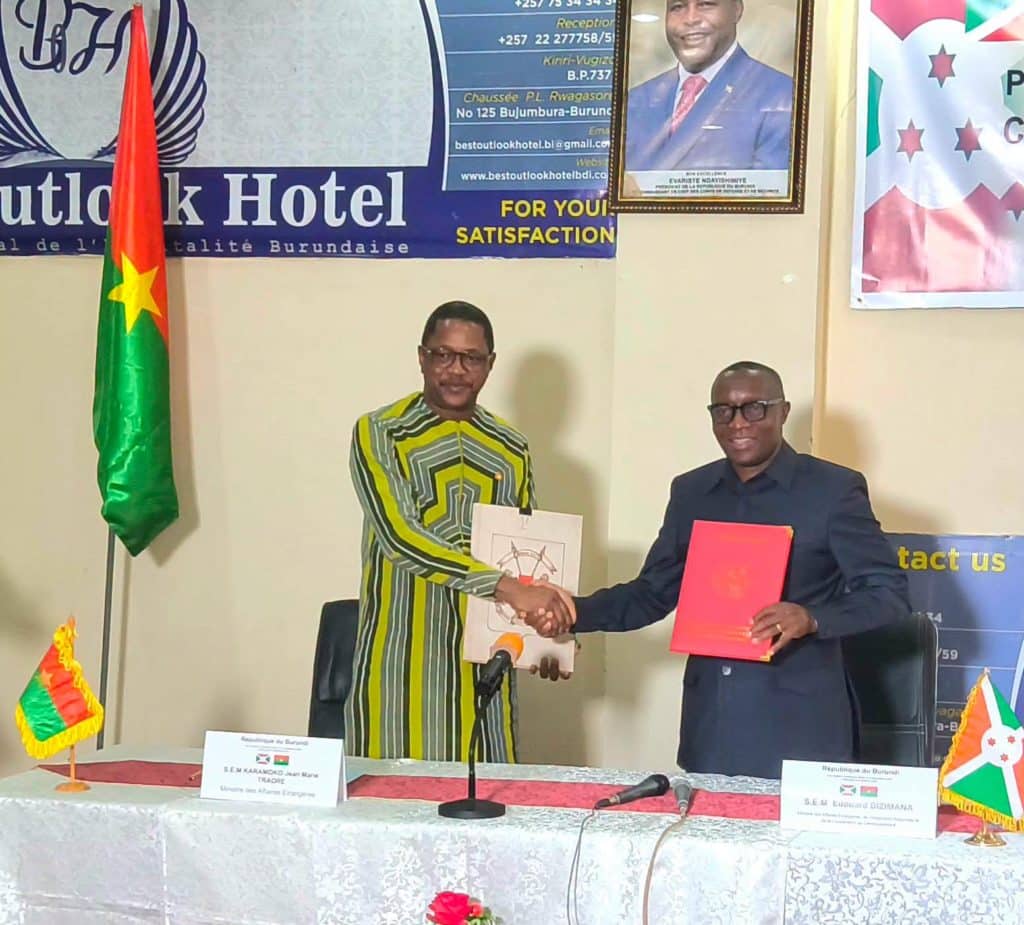
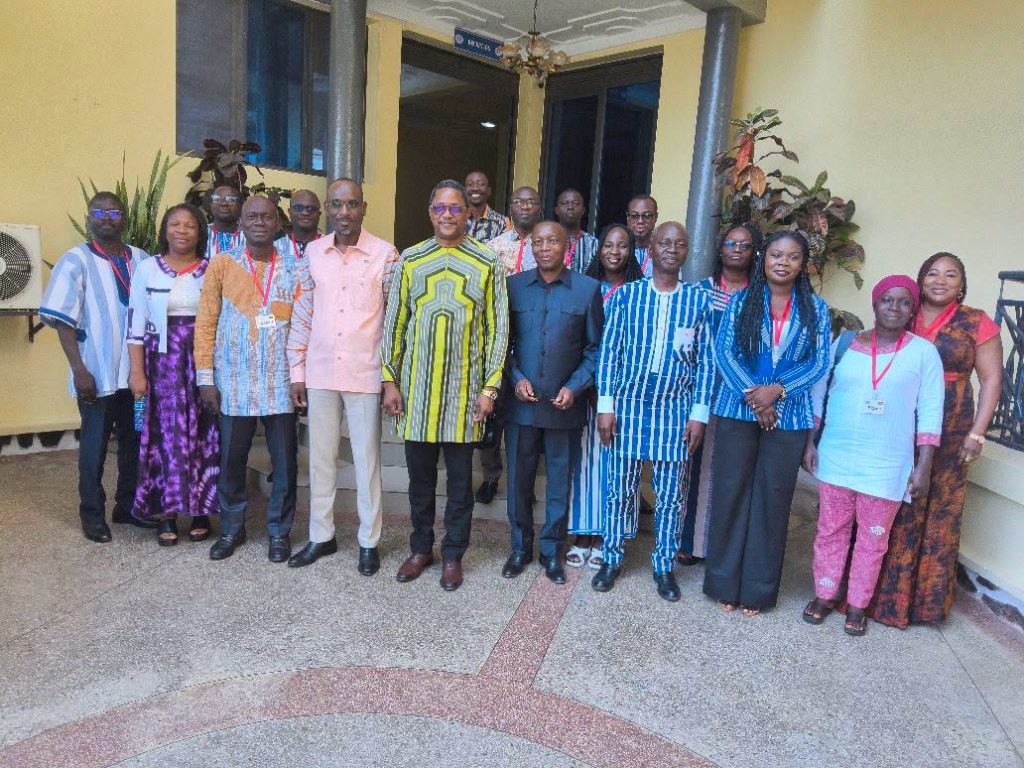
Bujumbura concluded a landmark gathering this week as the first joint Burkina Faso-Burundi Cooperation Commission wrapped up its deliberations on Thursday, August 13, 2026. The two-day event culminated in the inking of 14 binding accords designed to deepen collaboration across critical sectors.
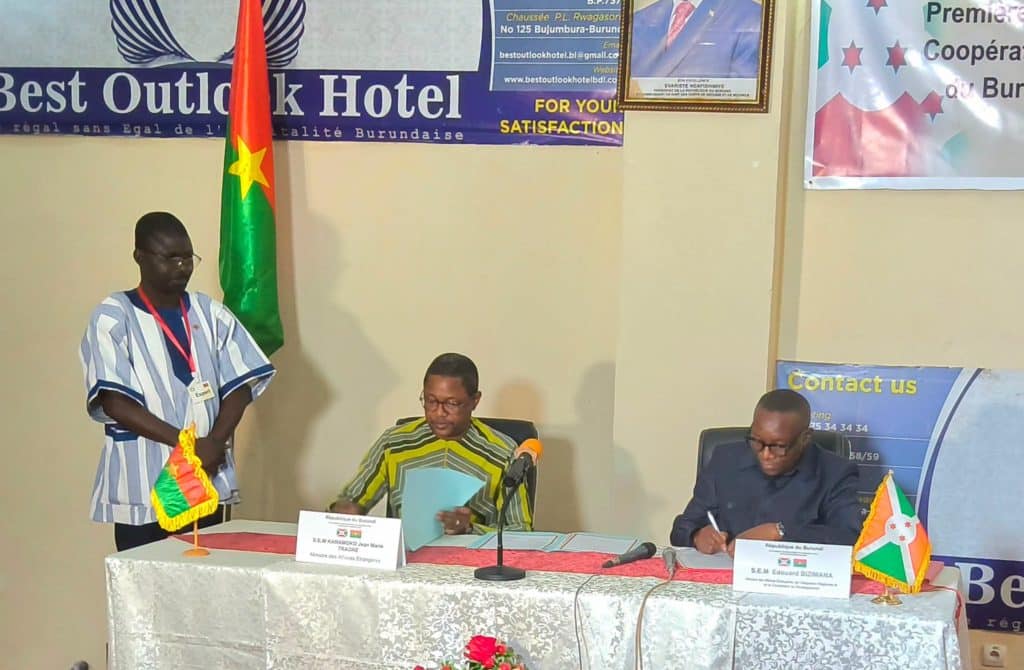
Expert teams from both nations worked through multiple sessions to finalize legal frameworks addressing development priorities. At the closing ceremony, the foreign affairs ministers of Burkina Faso and Burundi signed each instrument, marking a decisive step forward in bilateral relations.
Key sectors covered by the new accords
Among the 14 agreements are provisions targeting agriculture and livestock, public safety, civil protection, aviation services, healthcare, employment, labor standards, and social security. The cooperation framework also extends to youth programs, sports initiatives, and recreational activities.
A particularly noteworthy breakthrough is the mutual visa waiver for holders of diplomatic, service, and ordinary passports from both countries. Additional accords address disaster risk reduction, technical and vocational education, higher learning and research collaboration, as well as reciprocal recognition of national driver’s licenses.
From commitments to tangible outcomes
The fresh pacts represent the latest milestone in a nearly three-decade partnership between Burkina Faso and Burundi. Both governments have pledged to convert these legal instruments into practical benefits for their citizens.
The Burkinabé foreign minister, Karamoko Jean Marie Traoré, emphasized that the signing ceremony marks the beginning rather than the end of the process. He called for swift implementation and ongoing dialogue to ensure the agreements translate into real-world progress.
« These signatures lay the groundwork for turning policy into action, » Traoré stated. « The joint commission must now channel our shared political vision into concrete programs, projects, and measurable results that reach the people who need them most. »
The Burundian counterpart, Édouard Bizimana, echoed this sentiment while stressing the need to refocus South-South cooperation on economic exchanges and investment. He urged stronger ties between private-sector operators, reciprocal promotion of business opportunities, and expanded trade in goods and services. Fostering economic synergy between the two nations is now a top priority.
Building a model South-South partnership
The inaugural joint commission reflects the proactive stance of Burkina Faso’s President Ibrahim Traoré and Burundi’s President Évariste Ndayishimiye. Both leaders have positioned their countries as champions of regional integration, mutual trust, and peace through collaborative South-South models.
To keep the momentum going, the delegations agreed to quickly establish sectoral committees tasked with monitoring implementation of the signed accords. These bodies will track progress and address challenges as they arise, ensuring no agreement remains on paper.


 Boureima Amadou