
 Boureima Amadou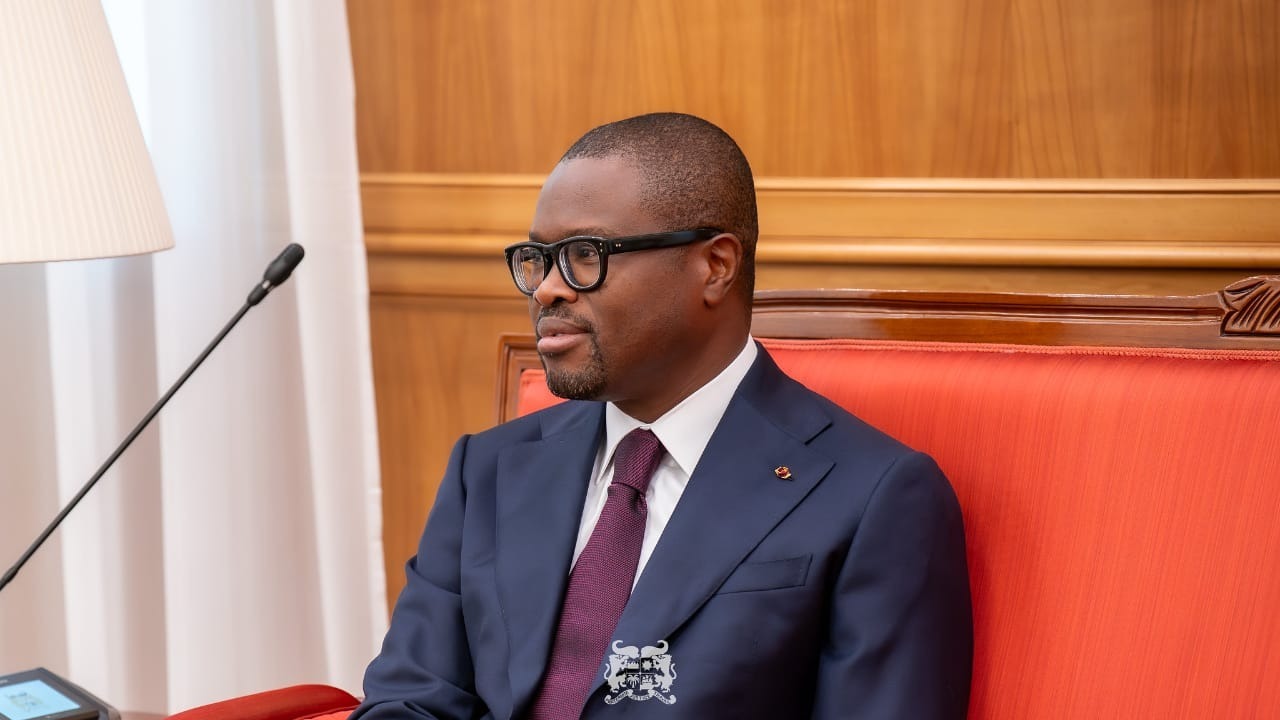
The balance of power in African venture capital has shifted in a way few analysts saw coming. For years, the continent’s startup funding map was dominated by a handful of heavyweights — Nigeria, Kenya, South Africa and Egypt — with a few francophone hubs such as Senegal and Morocco playing supporting roles. Today, Benin has pushed past Egypt and Morocco in the volume of capital raised by its young companies, a reversal that carries immediate consequences for entrepreneurs, workers and households far beyond Cotonou.
The real-world stakes of a funding reshuffle
When venture money changes direction, the effects are not abstract. More capital flowing into Beninese startups means more salaried jobs for young graduates, more digital services reaching small traders and farmers, and a stronger tax base for a government that has bet heavily on technology as a development lever. It also means that founders who once had to relocate to Dakar, Lagos or Paris to attract investors can now build and scale from home.
The shift is being driven by a handful of large funding rounds and targeted injections into sectors such as financial technology, logistics, agricultural technology and the digitisation of public services. International and regional venture funds that had long hesitated to commit to francophone West Africa outside Dakar are now looking at Cotonou with fresh interest.
Why Benin’s ecosystem is suddenly bankable
This did not happen by accident. It is the product of a deliberate attractiveness strategy pursued over several years, and its effects are now visible on the ground.
- A friendlier rulebook: The operational rollout of Benin’s Startup Act, combined with preferential tax and customs regimes, has cut the cost of getting a company off the ground and given foreign investors greater legal certainty.
- Sèmè City as a catalyst: The international innovation and knowledge city has given the ecosystem structure, offering incubators, accelerators and direct links between academic research and private enterprise.
- Infrastructure that works: The mass digitisation of administrative procedures and steady improvements in connectivity have turned the country into a full-scale testing ground for high-impact digital solutions.
From outsider to regional hub
By outperforming mature markets such as Egypt — long accustomed to rounds measured in hundreds of millions of dollars — Benin is sending a clear message to global investors. It shows that a small domestic market is no longer a deal-breaker, provided startups design business models aimed at sub-regional economic integration within the West African Economic and Monetary Union and the wider ECOWAS bloc.
For ordinary citizens, the consequences could be tangible: cheaper and faster financial services, better logistics for small businesses, and new opportunities in a labour market where formal employment has long been scarce.
The hard part: turning a moment into a movement
The challenge for Cotonou now is to convert this exceptional year into lasting momentum. That will require deepening the pool of local talent, supporting companies through their scaling-up phases and keeping the business environment stable enough to convince investors that Benin is not a one-off story but a permanent fixture at the top table of African tech.






