Boureima Amadou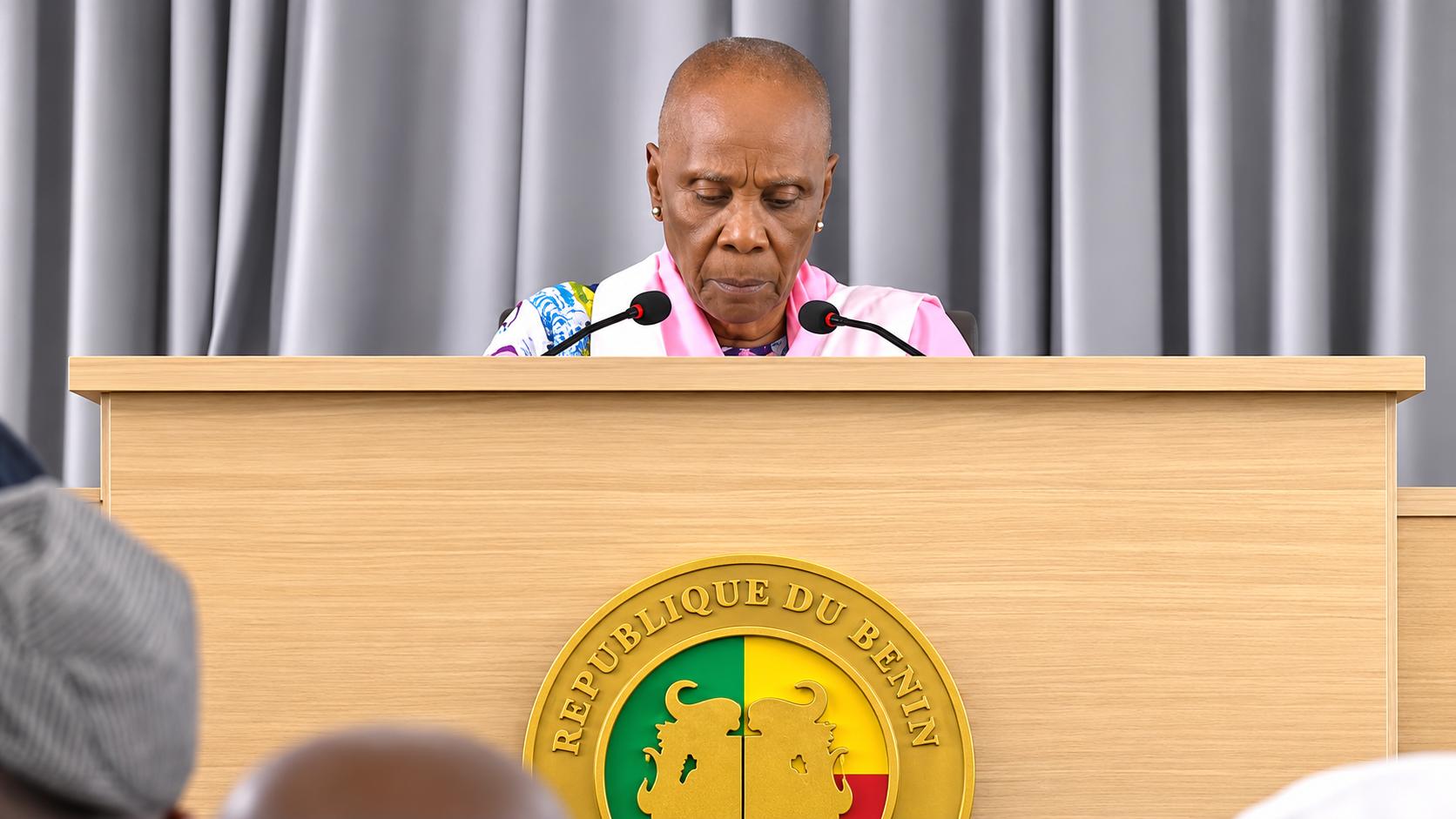
The historic Palais des Gouverneurs in Porto-Novo has become the stage for a landmark moment in Benin‘s political evolution. With the Senate now officially operational, the country bids farewell to its unicameral past and embraces a bicameral era, reshaping the nation’s legislative framework and redefining the balance of state power.
This transformative shift stems directly from the 2025 constitutional revision, which established the Senate as a pivotal pillar of Benin’s institutional architecture. Designed to promote wisdom, restraint, and national cohesion, the upper house introduces a new dimension to the country’s governance model.
Core missions: Balancing power and safeguarding democracy
The Beninese Senate assumes a dual role as both a regulatory body and a guardian of democratic values. Its mandate encompasses:
- National unity and security oversight: The Senate takes on critical responsibilities in addressing matters of national importance, public safety, and safeguarding democratic achievements.
- Legislative refinement through second reading: The upper house plays an active role in the legislative process via the shuttle mechanism. While the Assembly retains exclusive authority over finance bills, the Senate reviews, amends, or rejects other proposed laws before final adoption.
- Consultative guidance on reforms and appointments: The Senate provides advisory opinions on major institutional reforms and evaluates high-level state nominations, ensuring broader deliberation on pivotal decisions.
Operational dynamics: Structure and procedures
The Senate’s functioning adheres to a well-defined constitutional framework, mirroring many aspects of the National Assembly while introducing specialized processes:
- Session cycles: Like its lower counterpart, the Senate convenes in ordinary sessions and can be summoned for extraordinary sittings to address urgent matters at the request of its president or the Head of State.
- Committee-driven scrutiny: All legislative proposals undergo thorough examination in thematic permanent committees before reaching the floor for debate and voting.
- Legislative reconciliation: In cases of disagreement between chambers, the Senate has a set period to review and modify bills. If consensus remains elusive, the National Assembly holds the final say to prevent legislative gridlock.
The faces shaping the Senate’s future
Comprising 25 members, the Senate blends appointed and ex-officio figures, each bringing distinct expertise and political weight:
- Presidential appointees: President Romuald Wadagni selected 10 members, including prominent national figures such as Pascal Irénée Koupaki, Emmanuel Tiando, Alassane Seidou, Fortunet Alain Nouatin, and Paul Hounkpè. The National Assembly president, Joseph Djogbénou, appointed four additional members, among them Adidjatou Mathys, Sacca Lafia, and Charles Toko.
- Honorary members: The Senate also includes former Heads of State, constitutional institution leaders, and past Assembly presidents, adding institutional memory and continuity.
Debates and expectations: A new institution under scrutiny
The Senate’s inauguration has sparked a spectrum of reactions. Advocates praise the reform as a milestone toward institutional maturity and crisis prevention, positioning Benin as a model of democratic evolution in the region. However, critics question the financial implications of a two-chamber parliament, citing concerns over increased state expenditure and potential executive influence on the Senate’s independence. Despite these debates, the constitutional framework already addresses many of these concerns through the Senate’s clearly defined roles and responsibilities.
As the Senate takes its place in Benin’s political landscape, the nation watches closely to determine whether it will emerge as a genuine counterbalance—a moderating force ensuring checks and balances—or remain confined to a symbolic role as a secondary legislative chamber.