Boureima Amadou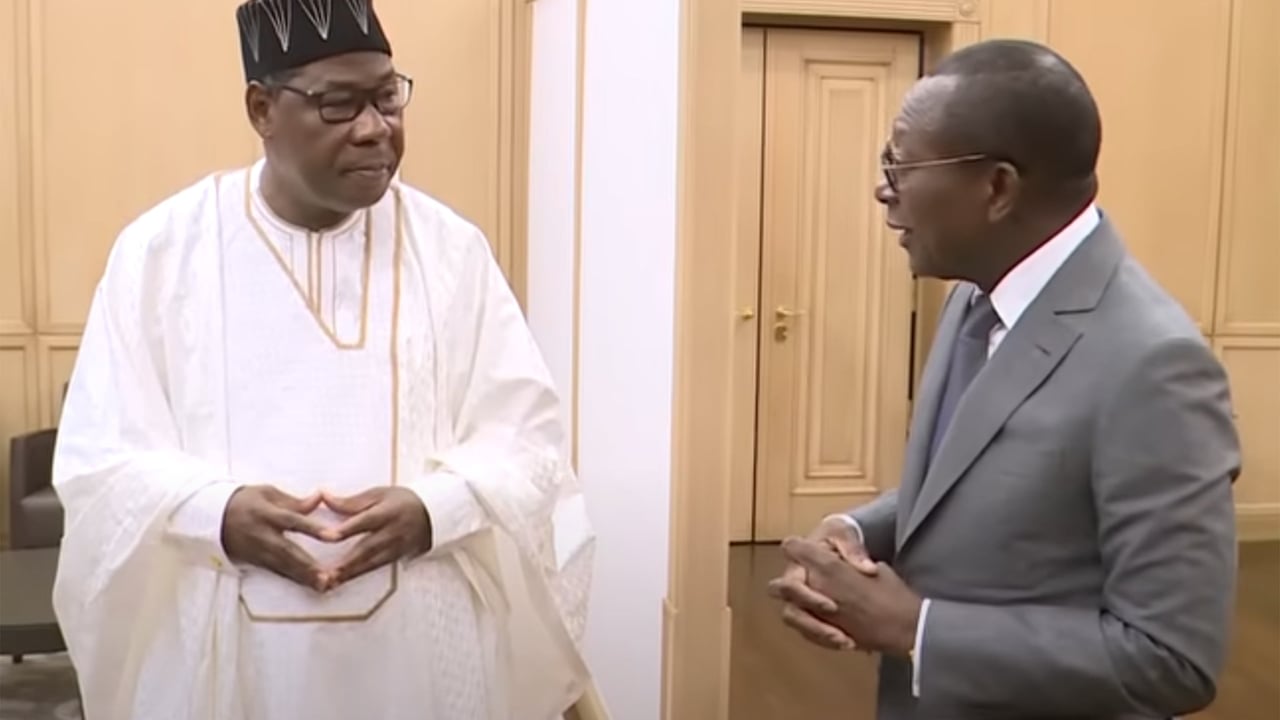

Cotonou witnessed a landmark moment in Benin’s political history as the country’s first-ever Senate convened for its inaugural session this week. The historic gathering brings together representatives from across the nation to shape the future of governance in the country.
Key figures gather for Benin’s first senate session
The inauguration ceremony brought together prominent political leaders, including former President Thomas Boni Yayi and current President Patrice Talon, underscoring the significance of this new legislative body. Their presence highlighted the continuity of democratic processes in Benin.
What changes does the senate bring to Benin’s governance?
The establishment of the Senate represents a major shift in Benin’s political architecture. This new upper house aims to strengthen legislative oversight, enhance policy formulation, and foster greater representation of regional interests. Analysts suggest this reform could lead to more balanced decision-making in the country’s governance.
Enhanced legislative oversight
One of the primary objectives of the Senate is to provide robust checks and balances to Benin’s legislative process. By introducing a bicameral system, the government seeks to ensure that proposed laws undergo thorough scrutiny before implementation.
Regional representation and decentralization
The Senate’s composition will prioritize fair representation from all of Benin’s departments, promoting a more inclusive governance model. This approach aims to bridge the urban-rural divide and address local concerns at the national level.
Policy formulation and national development
With its specialized committees, the Senate is expected to play a crucial role in shaping national policies, particularly in areas such as infrastructure, education, and economic development. The new body will work alongside the National Assembly to align short-term initiatives with long-term national goals.
The Senate’s formation aligns with Benin’s ongoing efforts to modernize its governance structures and enhance its democratic credentials. As the country navigates its political future, this new legislative chamber stands as a testament to its commitment to progressive reforms.