Mariama Hamani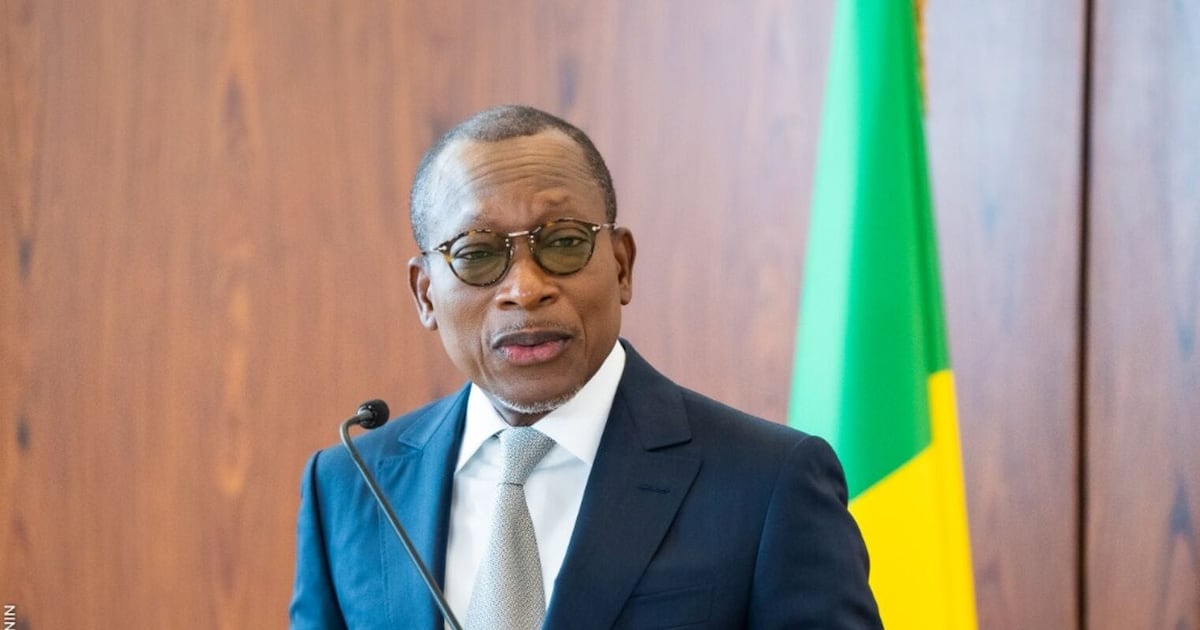
Benin’s first senate takes shape with Patrice Talon at the helm
The Upper House of Benin’s Parliament has officially been established following a landmark constitutional amendment passed in November 2025, designed to stabilize the nation’s political landscape.
Membership and structure of the new senate
The Senate comprises 25 members who are not elected through popular vote but instead hold their positions by right or are appointed directly by the President. This unique composition includes former heads of state, ensuring continuity in governance and institutional memory.
Patrice Talon’s vision for the senate
In his inaugural address delivered in Porto-Novo, former President Patrice Talon, aged 68, outlined his commitment to fostering unity and political stability. “I pledge my full dedication to ensuring this Senate operates as a cohesive family, working tirelessly for the nation’s progress,” he stated.
Talon, who served two consecutive terms from 2016 to 2026—the constitutional limit—emphasized the Senate’s role in reinforcing national cohesion, peace, and democratic values. His election to lead the chamber was confirmed with 24 votes in favor and one abstention.
Notable figures in the senate
The Senate also welcomes two former Presidents: Thomas Boni Yayi, who led the country from 2006 to 2016, and Nicéphore Soglo, who governed from 1991 to 1996. Additionally, Paul Hounkpè, the sole opposition candidate in the most recent presidential election, holds a seat in the institution.
The transition of power to Romuald Wadagni, former Minister of Economy and Talon’s endorsed successor, was formalized in April 2026, marking a new chapter in Benin’s political journey.


 Boureima Amadou