
 Boureima Amadou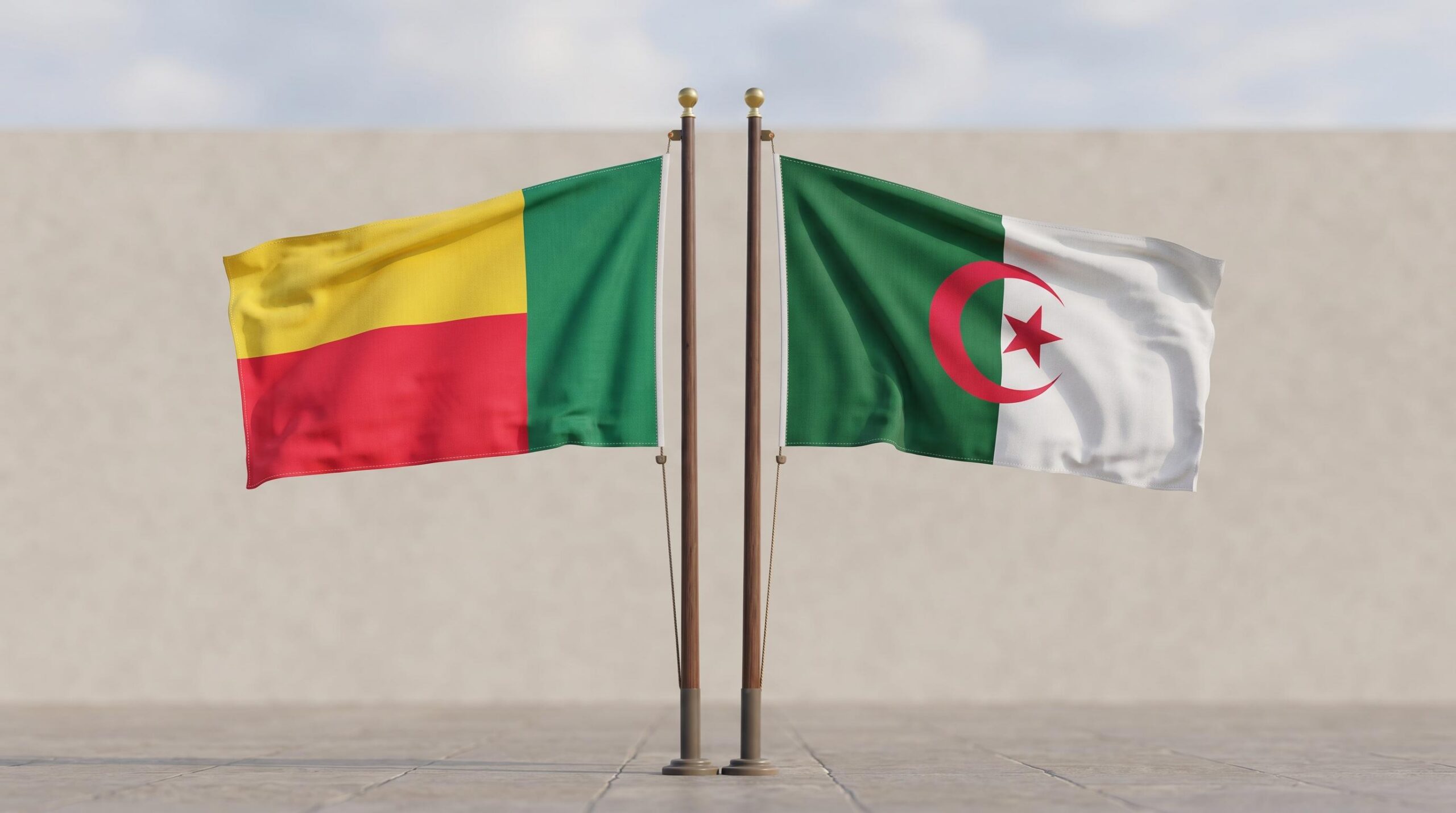
Benin is quietly expanding its security alliances, and the latest move in Cotonou carries consequences that will be felt far beyond military barracks. A high-level Algerian diplomatic and military delegation met with Benin’s Ministry of National Defense to finalize a bilateral defense partnership—a decision that directly affects how citizens in the north live, how traders move goods, and how the government spends its security budget.
Why the meeting matters for ordinary Beninese
The northern regions of Benin have faced repeated incursions by armed terrorist groups. For families there, the stakes are immediate: school closures, disrupted farming, and fear of displacement. The new partnership aims to strengthen the Benin Armed Forces’ ability to anticipate and respond to these threats, which could translate into safer roads, reopened markets, and a return to normal life in affected communities.
Algeria’s track record: a model that could save lives and money
Algeria’s military is internationally recognized for its experience in counterinsurgency, border control, and surveillance in semi-arid and Sahelian environments. For Benin, tapping into this expertise means:
- Proven counterterrorism methods: Algerian forces have decades of experience dismantling insurgent strongholds, which could help Benin avoid costly trial-and-error in its own operations.
- Diversified partnerships: By adding Algeria to its list of military partners, Benin reduces over-reliance on traditional Western allies—a move that could give Cotonou more leverage in negotiations and more predictable security assistance.
- Training opportunities: Access to Algeria’s prestigious military academies and tactical training centers will upgrade the skills of Benin’s officer corps and elite units, potentially lowering casualty rates and improving mission success.
From handshakes to formal agreements: what’s on the table
The talks produced concrete steps that will shape Benin’s security landscape for years:
- A formal defense framework: Both sides laid the groundwork for a legal agreement covering technical cooperation, continuous training for Beninese officers, and the transfer of expertise in crisis management and electromagnetic and tactical intelligence.
- Permanent operational coordination: A direct communication channel will be established to regularly assess cross-border threats destabilizing the Sahel and threatening the Gulf of Guinea—a move that could speed up response times and prevent attacks.
- Support for regional stability: Algeria reaffirms its willingness to re-engage diplomatically and militarily in sub-Saharan Africa, while Benin strengthens its role as a strategic lock protecting the West African coast.
The economic ripple effects: trade, investment, and jobs
Security is the foundation of economic activity. With improved border control and intelligence sharing, trade routes that have been disrupted by terrorist activity could become viable again. Markets in northern Benin that have suffered from insecurity may reopen, allowing farmers, traders, and transporters to resume their livelihoods. For the broader economy, a more stable northern border means reduced risk for investors and potentially lower insurance costs for businesses operating in the region.
What citizens can expect in the coming months
While the agreement is still being formalized, its impact will unfold gradually. In the short term, Beninese soldiers may begin training in Algeria, and joint intelligence operations could start. For citizens, the most visible change will be improved security presence and faster response to threats. In the long run, a more professional and better-equipped military could lead to fewer attacks, safer communities, and a more resilient economy.
By sealing this strategic partnership with Algeria, Benin is showing that it intends to tackle the regional security crisis proactively: training its own forces, diversifying its support, and leaning on the expertise of major continental players. The consequences—both on the battlefield and in the marketplace—will be felt for years to come.








