Mariama Hamani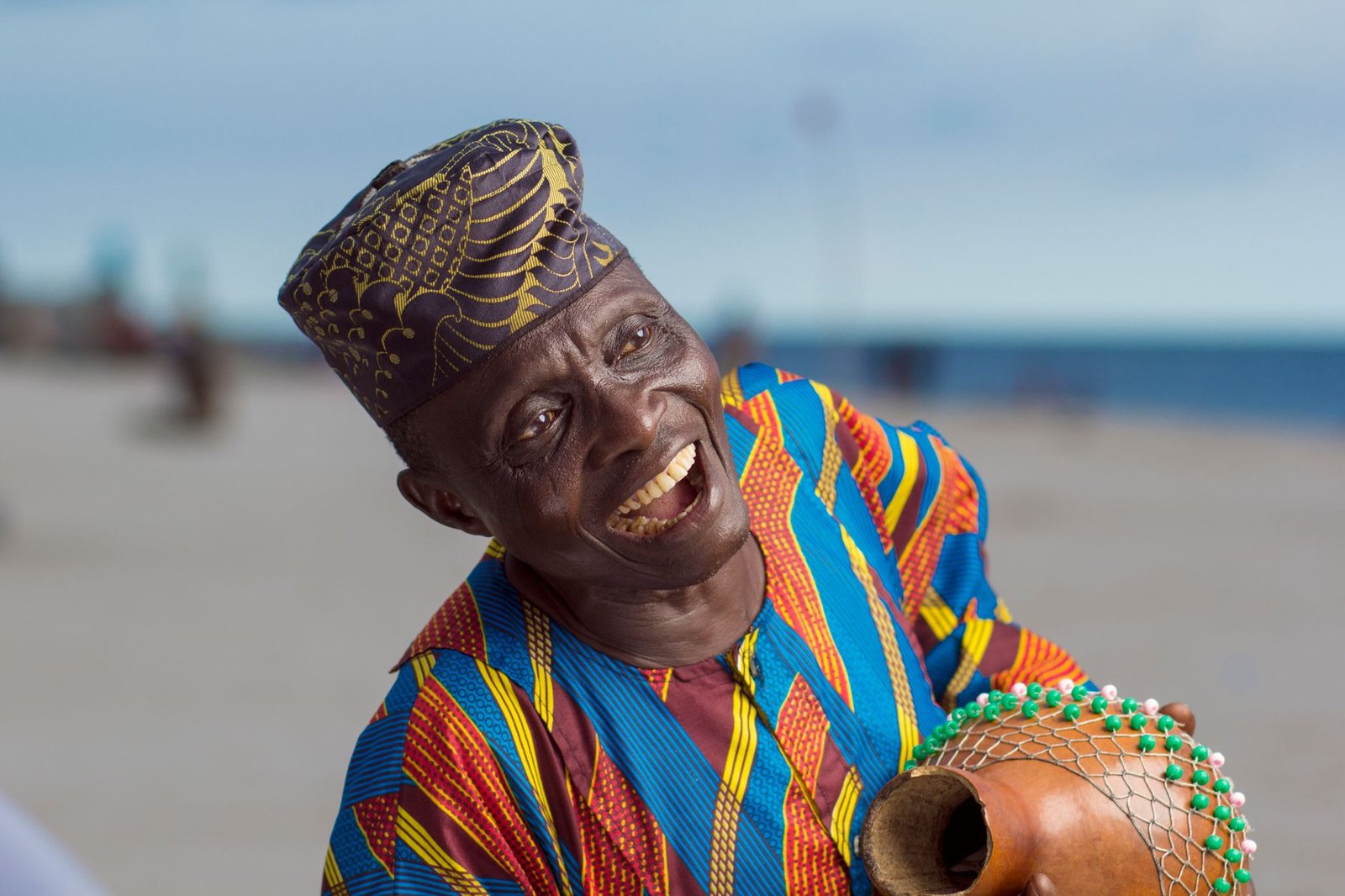
An influential figure in West African music, Baaba Maal recently represented Senegal and the broader African continent at a significant United Nations (UN) forum held in Ulaanbaatar, the capital of Mongolia. The acclaimed singer, a long-standing advocate for environmental and social causes, presented a distinctly African perspective on pressing contemporary challenges, ranging from climate change to the vital role of youth in global decision-making processes.
An african advocate on a multilateral platform
The selection of Baaba Maal for this platform was a deliberate choice. For more than a decade, the artist, hailing from Podor in northern Senegal, has effectively extended his grassroots activism onto the international stage. As a dedicated Goodwill Ambassador for the United Nations Development Programme (UNDP), he has consistently lent his voice to forums where the perspectives of African civil societies often remain underrepresented. His intervention in Ulaanbaatar continued this commitment, delivering a powerful message centered on fostering solidarity among countries of the Global South and the crucial need to involve local communities in shaping global policies.
The Mongolian setting provided an unusual backdrop. While rarely featured in African diplomatic circuits, Ulaanbaatar is increasingly hosting UN gatherings focused on landlocked economies, the transition to sustainable energy, and the preservation of delicate ecosystems. For Dakar, projecting a leading cultural personality into such a space represents a strategic move to occupy symbolic ground where conventional diplomacy might have less presence.
Senegalese culture and soft power
This initiative aligns with a broader strategy to enhance Senegalese soft power on the global stage. For several years, successive administrations in Dakar have meticulously cultivated an image of a nation capable of making its voice heard through its talented artists, insightful intellectuals, and robust cultural institutions. Baaba Maal, with his annual Blues du Fleuve festival organized in Podor, perfectly embodies this synergy between deep local roots and expansive global influence. His unique music, which skillfully blends Pulaar traditions with contemporary sounds, transcended continental borders long before cultural diplomacy became an officially recognized instrument of foreign policy.
Substantively, the artist underscored how environmental crises disproportionately impact the very populations who have contributed least to them. Communities residing along the Senegal River, much like nomadic herders in Mongolia, share a direct vulnerability to climate disruption, increasing water scarcity, and rapid shifts in traditional ways of life. This compelling parallel, presented to an international audience, offered a tangible framework for understanding climate inequalities that multilateral negotiations frequently struggle to translate into binding financial commitments.
Building an influential diplomacy
Nevertheless, the ultimate impact of such high-profile interventions hinges on the capacity of African states to effectively leverage these powerful statements. A platform, however symbolic, only achieves genuine effect when it is underpinned by thorough diplomatic work conducted by permanent representations and relevant government ministries. Senegal, having served multiple terms as a non-permanent member of UN bodies and recognized as a significant actor within the African Union, possesses considerable diplomatic capital that stands to gain immensely from being integrated with these influential cultural voices.
Furthermore, Baaba Maal’s presence in Ulaanbaatar signals a gradual evolution in African diplomatic interests. For a long time, Senegalese cultural diplomacy primarily focused on Paris, Brussels, and New York. Now, it is progressively expanding its reach to less conventional geographies, evidenced by strengthened engagements with Central Asia, Turkey, and countries in the Gulf region. This strategic redeployment complements the diversification of economic and political partnerships that Dakar has actively sought to consolidate since the change of government in 2024.
In practical terms, the challenge for Senegalese authorities will be to transform this enhanced visibility into concrete, actionable projects. These could include cultural cooperation initiatives, academic exchange programs, or targeted climate financing specifically directed towards vulnerable areas within the Senegal River basin. Without such operational grounding, the powerful message conveyed by Baaba Maal’s voice risks becoming lost amidst the customary noise of multilateral summits.