
 Mariama Hamani
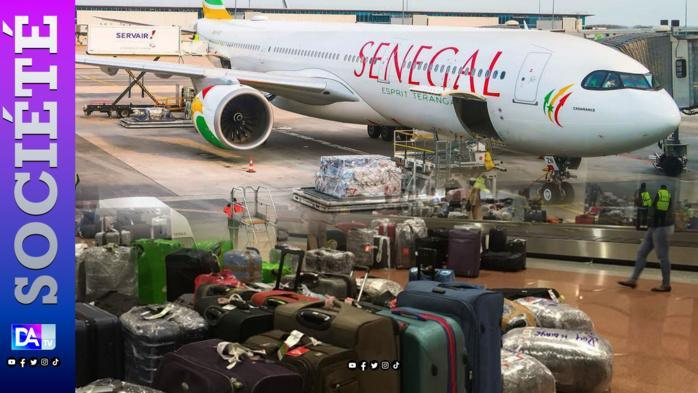
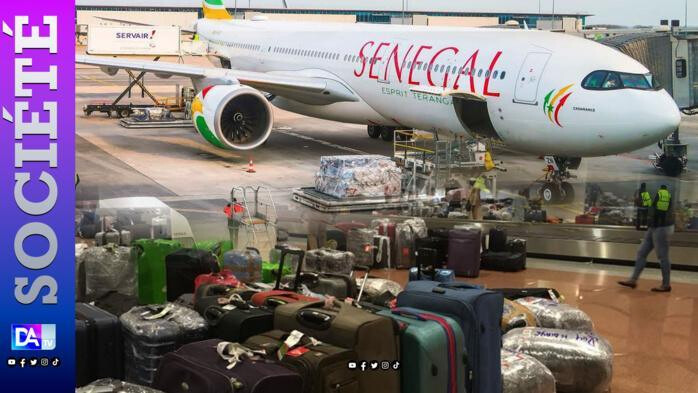
Is Air Sénégal’s reputation on the line? That is the central question after Interpol launched an investigation into an alleged trafficking operation involving the airline’s cabin crew. The probe, which extends far beyond internal disciplinary matters, has sent ripples through the national carrier and raised serious concerns about security protocols. According to a report published on 28 September 2026, the airline is under scrutiny for a suspected goods smuggling network that reportedly involved flight attendants and stewards.
Investigators are working to unravel how this alleged network operated, who was involved, and the full scope of its activities. Among the items mentioned are car bumpers, oversized luggage, and other packages handled under similar arrangements. The crew members are suspected of transporting these goods for payment on behalf of a company registered in France.
A suspicious package that raised alarms
One incident in particular has drawn the attention of investigators: a milk container that a flight attendant allegedly agreed to carry from Paris. According to the account, a colleague put her in touch with an individual who was supposed to hand over the container. Once in possession of the item, she opened it as a precaution and discovered a suspicious substance that was later confirmed to be a hard drug.
Questioned as part of the investigation, the flight attendant reportedly provided the phone number of the person who gave her the package. However, that contact has since become unreachable. The ongoing inquiries aim to trace the handover and establish individual responsibilities.
Air Sénégal’s response and precautionary measures
Air Sénégal’s management has confirmed it was officially notified of the investigation and has taken precautionary measures regarding the cabin crew assigned to the Dakar–Paris–Dakar route. The report notes that on the flights in question, these staff members did not hold the security clearance mentioned in the case file.
The airline rejects any suggestion that the alleged practices were driven purely by financial gain. Sources cited in the report point to staff salary levels and suggest that some commercial activities carried out on the side go beyond simply seeking extra income. These claims reflect the management’s position and do not prejudge the outcome of the investigation.
A troubling precedent from New York
The report also recalls a previous case involving goods shipped from New York. Thirteen flight attendants and stewards were named, with payments allegedly calculated per suitcase. Flight restrictions were reportedly imposed before they were reinstated.
The airline’s management says it is waiting for the investigation results before deciding on any final sanctions. As the probe continues, the key question remains: can Air Sénégal restore confidence and ensure that its crew are not unwittingly drawn into criminal networks? The stakes are high—not just for the airline, but for passenger trust and the integrity of Senegal’s aviation sector.


 Boureima Amadou





